Are you juggling multiple computers on a single desk, constantly plugging and unplugging peripherals like your keyboard, mouse, or printer? The frustration of tangled cables and inefficient workflows is a common challenge for many. Imagine a world where a single click lets you switch all your essential USB devices between your work laptop, personal desktop, or even a gaming rig, without ever swapping a cable. This is where the USB hub switch comes in—a simple yet powerful solution designed to declutter your workspace and dramatically boost your productivity. This comprehensive guide will explore everything you need to know about USB hub switches, helping you choose the perfect device to centralize your peripherals and revolutionize your multi-computer setup.
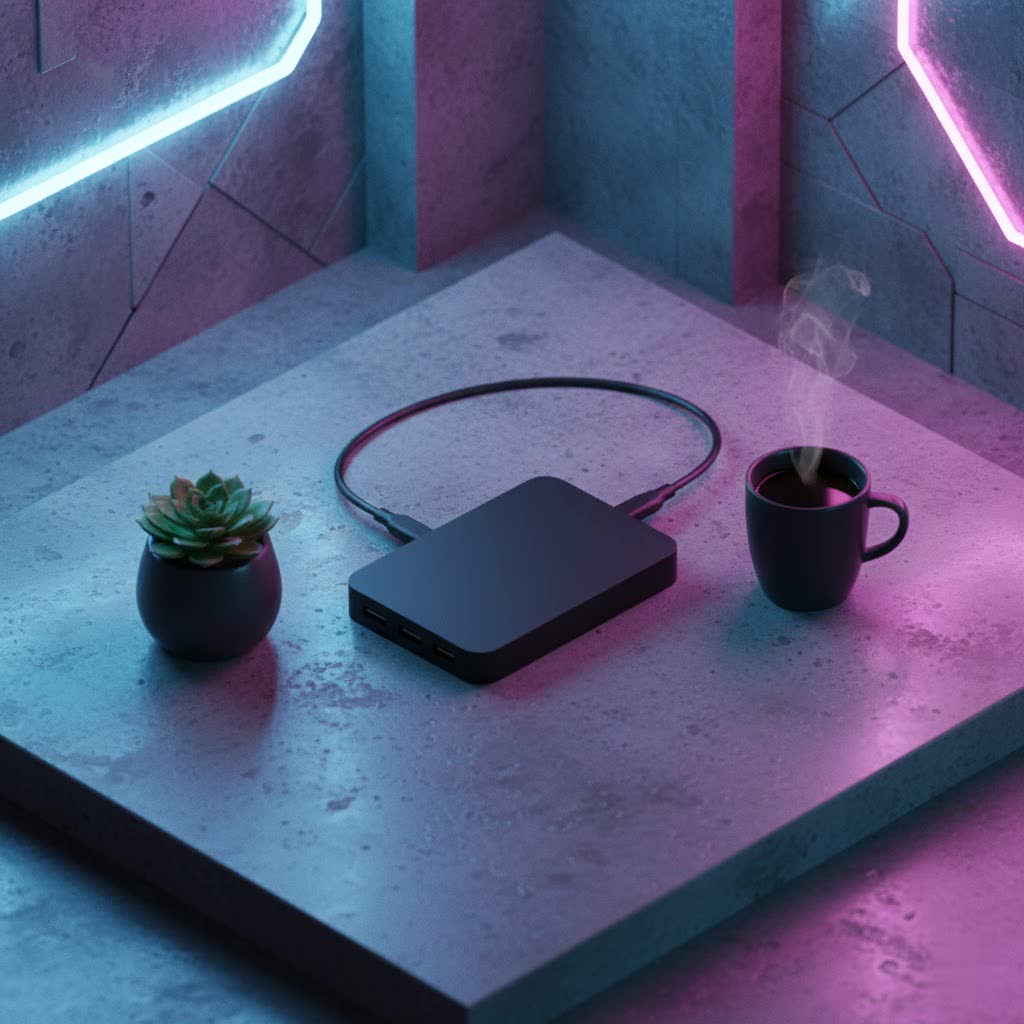
Overview of USB Hub Switches
What is a USB Hub Switch?
|
Our Picks for the Best USB Hub in 2026
As an Amazon Associate I earn from qualifying purchases.
|
||
| Num | Product | Action |
|---|---|---|
| 1 | Anker 555 USB-C Hub (8-in-1), with 85W Power Delivery, 4K 60Hz HDMI Port, 10Gbps USB C and 2 A Data Ports, Ethernet microSD SD Card Reader, for MacBook Pro More |

|
| 2 | Acer USB C Hub, 7 in 1 Multi-Port Adapter for Laptop, 4K, HDMI Splitter with 2 USB A 3.1 & Type-C to HDMI Data Port, PD 100W Charging, SD Card Reader for Computer, Desktop, Space Grey |
|
| 3 | ONFINIO USB Hub 3.0, 7-Port USB Hub Splitter with Individual On/Off Switches and Lights, 3.2ft/1m Long Cable Compatible with MacBook, Laptop, Surface Pro, PS4, PC, Flash Drive, Mobile HDD |
|
| 4 | Acer USB Hub 4 Ports, Multiple USB 3.0 Hub, USBA Splitter for Laptop with Type C Power Port, Extender for A Port Laptop, PC, Desktop and More (2ft) |
|
| 5 | UGREEN USB 3.0 Hub, 4 Ports USB A Splitter Ultra-Slim USB Expander for Mouse, Keyboard, Flash Drive, U Disk, Printer Compatible with Laptop, Desktop PC, Xbox, PS5, and More |
|
| 6 | Powered USB Hub, Wenter 11-Port USB Splitter Hub (10 Faster Data Transfer Ports+ 1 Smart Charging Port) with Individual LED On/Off Switches, USB Hub 3.0 Powered with Power Adapter for Mac, PC |
|
| 7 | PWAY USB 2.0 Switch, USB Switcher Selector 2 Computers Sharing 4 USB2.0 Ports, KVM Switch Devices Peripheral Hub for Keyboard Mouse Printer Scanner Compatible with Windows Mac Linux |
|
| 8 | Anker USB Hub 4 Ports, Multiple USB 3.0 Hub, USB Splitter for Laptop, Extender for A Port Laptop, PC, Desktop and More [Charging Not Supported](2ft USB-A) |
|
| 9 | USB-C Hub 7-in-1 Multiport Adapter – 4K@30Hz HDMI, USB 3.0, USB 2.0, 100W PD Charging, SD/TF Card Reader – USB-C Docking Station for MacBook Pro/Air, Chromebook, Dell, HP & Type-C Devices |
|
| 10 | 13 in 1 USB C Docking Station - Dual Monitor, Triple Display, 8 USB C/A Ports, Ethernet, Audio - LIONWEI USB C Hub for MacBook,Dell,HP,Lenovo,Surface |
|
A USB hub switch, often simply referred to as a USB switch or USB sharing switch, is a device that enables two or more computers to share a single set of USB peripheral devices. Unlike a standard USB hub, which expands one USB port on a single computer into multiple ports, a USB switch acts as a digital bridge. It connects to multiple computers (inputs) and provides several USB ports (outputs) for your peripherals. With the press of a button, a hotkey command, or software, you can instantly re-route control of all connected peripherals from one computer to another. This means you can use the same keyboard, mouse, printer, scanner, or external hard drive across different machines without the hassle of physically disconnecting and reconnecting cables.
Why Use a USB Hub Switch?
The primary reasons to integrate a USB hub switch into your setup revolve around efficiency, cost-saving, and convenience.
- Reduces Clutter: Say goodbye to multiple keyboards, mice, and tangled wires. A USB switch consolidates your peripherals, leading to a much cleaner and more organized desk.
- Saves Money: Instead of buying duplicate peripherals for each computer, a USB switch allows you to invest in one high-quality set that can be shared across all your machines.
- Enhances Productivity: Seamlessly switch between tasks on different computers without interruptions. Whether you’re transitioning from a work project to personal browsing or gaming, your input devices follow with a single command, keeping your focus uninterrupted.
- Maximizes Peripheral Utility: Share expensive or specialized peripherals like high-end printers, scanners, or external storage drives among multiple users or computers without moving equipment.
Types of USB Hub Switches
USB hub switches come in various configurations, each suited to different needs and environments. Understanding these types is crucial for making an informed decision.
USB Hub Switch by Connection Standard
The USB standard dictates the data transfer speed and compatibility.
- USB 2.0:
- Pros: Generally more affordable, perfectly adequate for low-bandwidth devices like keyboards, mice, and basic printers.
- Cons: Slower data transfer speeds (up to 480 Mbps), not ideal for large file transfers or high-resolution webcams.
- Applications: Basic office setups, sharing human interface devices (HIDs).
- USB 3.0 (USB 3.1 Gen 1):
- Pros: Significantly faster (up to 5 Gbps), making it suitable for high-bandwidth devices such as external hard drives, SSDs, flash drives, and high-resolution webcams. Backward compatible with USB 2.0 devices.
- Cons: Slightly more expensive than USB 2.0 switches.
- Applications: Professional workstations, gamers, anyone transferring large files regularly.
- USB 3.1 Gen 2 / USB 3.2 / USB 4 / Thunderbolt: These newer standards offer even higher data transfer rates (10 Gbps, 20 Gbps, 40 Gbps, respectively) and advanced features like Power Delivery and video output. While less common for simple peripheral sharing switches, some advanced docking stations with switch capabilities may incorporate them. For most USB peripheral sharing, USB 3.0 offers a great balance of speed and cost-effectiveness.
USB Hub Switch by Power Source
How the switch draws power impacts the types of devices it can support.
- Bus-Powered (Without External Power):
- Pros: Simpler setup, no extra power adapter needed, often more compact and portable.
- Cons: Limited power output, may not adequately power high-draw devices like external hard drives, or multiple power-hungry devices simultaneously. Can lead to unstable connections or devices not being recognized.
- When to Use: When sharing only low-power devices such as keyboards, mice, and small flash drives.
- Self-Powered (With External Power Adapter):
- Pros: Provides a stable and sufficient power supply to all connected peripherals, ensuring reliable operation for high-draw devices and when multiple devices are connected. Prevents power-related issues.
- Cons: Requires an additional power outlet and adapter, potentially less portable.
- When to Use: Recommended for most setups, especially when sharing external hard drives, charging devices, or connecting a multitude of peripherals.
USB Hub Switch by Port Quantity
This refers to the number of computers that can be connected (inputs) and the number of peripherals that can be shared (outputs).
- 2-Port USB Hub Switch:
- Description: Designed for sharing peripherals between two computers.
- Suitability: Ideal for individuals with a desktop PC and a laptop, or two separate workstations.
- 4-Port USB Hub Switch:
- Description: Allows up to four computers to share the same set of USB devices.
- Suitability: Perfect for small offices, creative professionals with multiple specialized machines, or extensive home setups.
- 7-Port or More USB Hub Switch: While dedicated USB switches typically focus on 2 or 4 computer inputs, some industrial or highly specialized models might support more. More commonly, you’ll find USB hubs with many output ports for devices (e.g., 7 or 10 ports) that can then be connected to a USB switch. The switch defines how many computers can access those devices.
Comparison of USB Hub Switch Types
| Feature | USB 2.0 Switch | USB 3.0 Switch |
|---|---|---|
| Max Data Transfer | 480 Mbps | 5 Gbps (10x faster) |
| Best For | Keyboard, mouse, basic printers, low-speed devices | External drives, webcams, fast printers, all USB 2.0 devices |
| Power Needs | Often bus-powered, but self-powered is safer | Self-powered highly recommended for performance |
| Typical Cost | Lower | Moderate |
| Backward Compatibility | N/A (older standard) | Fully backward compatible with USB 2.0 and 1.1 |
| Common Computer Inputs | 2 or 4 | 2 or 4 |
| Common Device Outputs | 4 (often, can be more with an attached hub) | 4 (often, can be more with an attached hub) |
“A common misconception is that a USB hub switch is merely a USB hub. While it often contains a hub internally, its core function is to intelligently route an entire set of peripherals to different host computers, a capability distinct from a simple port expansion.”
Buying Guide: How to Choose the Right USB Hub Switch
Selecting the optimal USB hub switch involves a few key considerations tailored to your specific environment and needs.
1. Determine Your Usage Needs
Start by evaluating your current and future setup.
- How many computers do you need to connect? This will dictate whether you need a 2-port or 4-port switch.
- What types of peripherals will you be sharing? List them out (e.g., keyboard, mouse, webcam, printer, external SSD, drawing tablet).
- Is data transfer speed critical? If you frequently move large files between external drives and different computers, a USB 3.0 switch is a must. If it’s just a keyboard and mouse, USB 2.0 might suffice.
- Do you need portability? Compact, bus-powered switches are easier to transport, but self-powered models offer more stability for a fixed desk setup.
2. Choose the Appropriate USB Standard
Align the USB standard of the switch with your peripherals and computers.
- If you have primarily USB 2.0 devices and don’t require high-speed data transfer, a USB 2.0 switch is economical.
- For modern setups with external hard drives, high-resolution cameras, or if you simply want future-proofing, opt for a USB 3.0 switch. Remember, USB 3.0 switches are backward compatible, so your older USB 2.0 devices will still work. Ensure your computers also have USB 3.0 ports to benefit from the faster speeds.
3. Select the Right Number of Ports
- Computer Inputs: Choose a switch with enough input ports for all the computers you intend to share devices with (e.g., 2-in-1, 4-in-1).
- Peripheral Outputs: Most switches offer 4 USB output ports. Consider if this is enough for all your devices. If you need more, you can connect a separate USB hub to one of the switch’s output ports, effectively expanding the number of devices shared. It’s always wise to have one or two spare ports for future additions.
4. Decide Between Bus-Powered and Self-Powered
- Bus-powered switches are suitable for light usage with low-power peripherals.
- For reliability, especially with devices like external hard drives, printers, or multiple peripherals, a self-powered USB hub switch with an AC adapter is highly recommended. This ensures stable power delivery and prevents devices from dropping connection or underperforming.
5. Consider Brands and Price
Research reputable brands known for quality and reliability in USB accessories. Brands like UGREEN, Sabrent, KCEVE, RSHTECH, and Plugable often appear in positive reviews for USB switches. While price is a factor, prioritizing quality ensures longevity and stable performance. Read user reviews to gauge real-world experiences.
6. Look for Additional Features
- Switching Method: Do you prefer a physical button on the device, a remote control, or hotkey commands on your keyboard?
- LED Indicators: Clear LEDs showing which computer is currently active are very helpful.
- Cable Length and Type: Ensure the included cables are of sufficient length and the correct type (e.g., USB-A to USB-B) for your setup.
- Build Quality: A robust design ensures durability, especially if you interact with the switch frequently.
Conclusion
A USB hub switch is an invaluable tool for anyone managing multiple computers, offering a smart and efficient way to share peripherals. By centralizing your keyboard, mouse, printer, and other USB devices, you can eliminate cable clutter, save on hardware costs, and create a more fluid and productive workspace. When choosing your switch, carefully consider the number of computers you need to connect, the speed requirements of your peripherals, and whether a bus-powered or self-powered model best suits your setup. Investing in the right USB hub switch means stepping into a world of seamless connectivity and enhanced productivity. Are you ready to transform your multi-computer environment?
Frequently Asked Questions
What is the primary difference between a USB hub and a USB switch?
A USB hub expands a single USB port on one computer into multiple ports, allowing that single computer to connect to more devices concurrently. A USB switch, on the other hand, allows multiple computers to share a single set of USB peripherals, switching control of those devices between the connected computers one at a time. They serve different, complementary purposes in a connectivity setup.
Do USB switches always need an external power adapter?
Not always, but it is highly recommended, especially when sharing power-hungry devices like external hard drives or charging devices. Bus-powered USB switches draw power directly from the computer’s USB port, which might be insufficient for certain peripherals or multiple devices, leading to instability. Self-powered switches with an AC adapter provide a dedicated and reliable power supply.
Can I use a USB 3.0 switch with my older USB 2.0 devices?
Yes, absolutely. USB 3.0 switches are designed to be fully backward compatible with USB 2.0 and even USB 1.1 devices. When you connect a USB 2.0 device to a USB 3.0 switch, it will operate at USB 2.0 speeds. This ensures your existing peripherals will continue to function without issues while giving you the benefit of faster speeds for newer, compatible devices.
Are USB switches suitable for gaming peripherals where low latency is crucial?
For most gaming peripherals like keyboards and mice, a quality USB 3.0 switch should introduce negligible latency, especially if it’s self-powered and uses good quality cables. However, competitive gamers who demand the absolute lowest latency might prefer a direct connection or a high-end KVM switch, as any intermediary device could theoretically add a tiny fraction of a delay. For casual to serious gaming, a good USB switch is usually fine.
Can a USB switch also switch video signals like a KVM switch?
No, a standard USB switch is designed only for switching USB data signals between computers. It does not handle video signals (like HDMI, DisplayPort, or VGA). If you need to switch both USB peripherals and video monitors between multiple computers, you would need a KVM (Keyboard, Video, Mouse) switch, which integrates both USB switching and video switching capabilities.
