Are you tired of constantly juggling a limited number of ports on your sleek, modern laptop? In an era where devices are becoming thinner and more powerful, the trade-off often means fewer integrated ports, leaving you scrambling for connectivity. This is where a USB to Type C hub becomes an indispensable tool, transforming a single USB-C port into a versatile command center for all your peripherals. This comprehensive guide will walk you through everything you need to know about USB-C hubs, helping you unlock your device’s full potential and streamline your digital life.
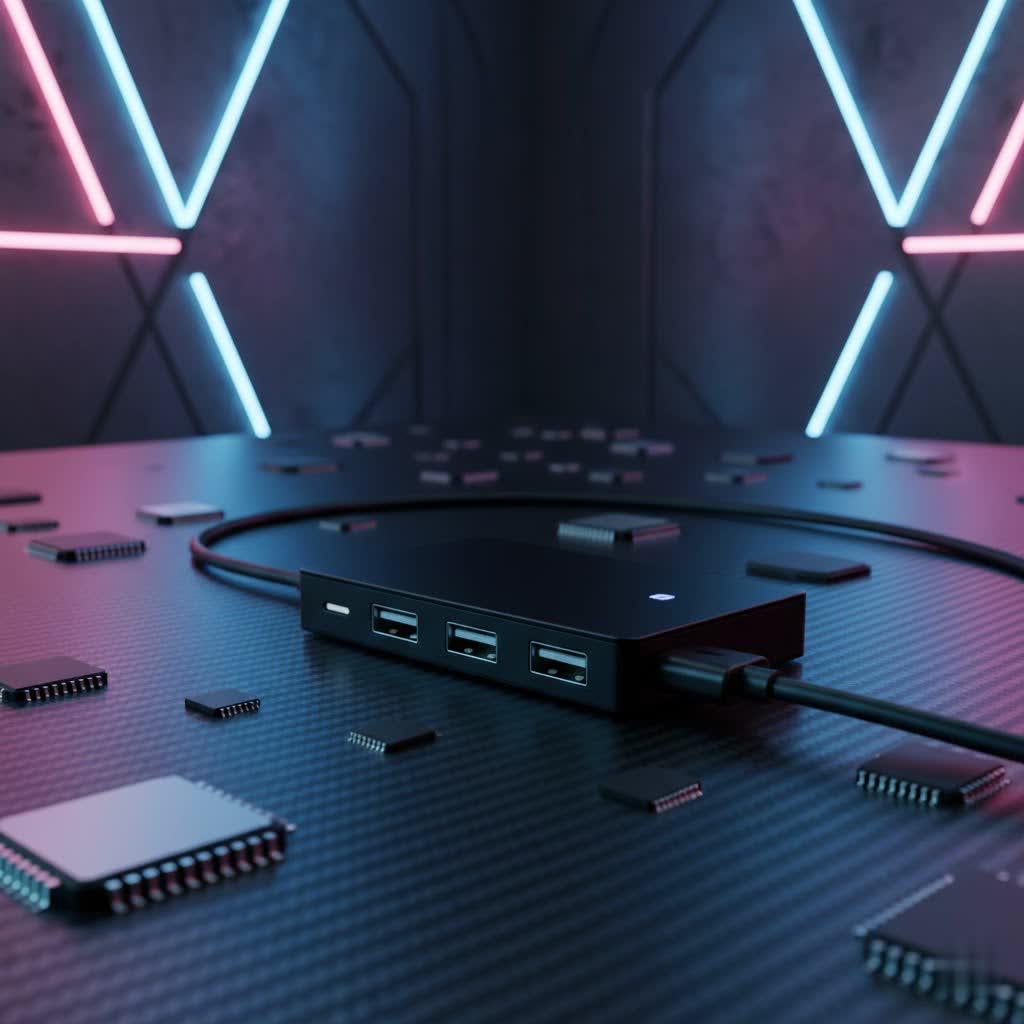
Overview of USB Hub
What is a USB Hub?
|
Our Picks for the Best USB Hub in 2026
As an Amazon Associate I earn from qualifying purchases.
|
||
| Num | Product | Action |
|---|---|---|
| 1 | PWAY USB 2.0 Switch, USB Switcher Selector 2 Computers Sharing 4 USB2.0 Ports, KVM Switch Devices Peripheral Hub for Keyboard Mouse Printer Scanner Compatible with Windows Mac Linux |

|
| 2 | Powered USB Hub, Wenter 11-Port USB Splitter Hub (10 Faster Data Transfer Ports+ 1 Smart Charging Port) with Individual LED On/Off Switches, USB Hub 3.0 Powered with Power Adapter for Mac, PC |
|
| 3 | UGREEN USB 3.0 Hub, 4 Ports USB A Splitter Ultra-Slim USB Expander for Mouse, Keyboard, Flash Drive, U Disk, Printer Compatible with Laptop, Desktop PC, Xbox, PS5, and More |
|
| 4 | 13 in 1 USB C Docking Station - Dual Monitor, Triple Display, 8 USB C/A Ports, Ethernet, Audio - LIONWEI USB C Hub for MacBook,Dell,HP,Lenovo,Surface |
|
| 5 | Anker 555 USB-C Hub (8-in-1), with 85W Power Delivery, 4K 60Hz HDMI Port, 10Gbps USB C and 2 A Data Ports, Ethernet microSD SD Card Reader, for MacBook Pro More |
|
| 6 | Acer USB Hub 4 Ports, Multiple USB 3.0 Hub, USBA Splitter for Laptop with Type C Power Port, Extender for A Port Laptop, PC, Desktop and More (2ft) |
|
| 7 | Anker USB Hub 4 Ports, Multiple USB 3.0 Hub, USB Splitter for Laptop, Extender for A Port Laptop, PC, Desktop and More [Charging Not Supported](2ft USB-A) |
|
| 8 | USB-C Hub 7-in-1 Multiport Adapter – 4K@30Hz HDMI, USB 3.0, USB 2.0, 100W PD Charging, SD/TF Card Reader – USB-C Docking Station for MacBook Pro/Air, Chromebook, Dell, HP & Type-C Devices |
|
| 9 | Acer USB C Hub, 7 in 1 Multi-Port Adapter for Laptop, 4K, HDMI Splitter with 2 USB A 3.1 & Type-C to HDMI Data Port, PD 100W Charging, SD Card Reader for Computer, Desktop, Space Grey |
|
| 10 | ONFINIO USB Hub 3.0, 7-Port USB Hub Splitter with Individual On/Off Switches and Lights, 3.2ft/1m Long Cable Compatible with MacBook, Laptop, Surface Pro, PS4, PC, Flash Drive, Mobile HDD |
|
A USB hub is essentially a multi-port device designed to expand the connectivity of a single Universal Serial Bus (USB) port on your computer. Specifically, a USB to Type C hub takes advantage of the versatile USB-C connector, which has become the standard for many modern laptops, tablets, and smartphones. It acts as an intermediary, allowing you to connect numerous peripheral devices simultaneously, such as a mouse, keyboard, external hard drives, monitors, Ethernet cables, and SD cards, all through one compact accessory. The concept of USB hubs has evolved significantly, with USB-C hubs now offering advanced capabilities like high-speed data transfer, video output, and power delivery, making them far more sophisticated than their predecessors. [cite: 1, 3, 5 (search result 1)]
Why Do You Need a USB to Type C Hub?
Modern devices prioritize portability and minimalist design, often resulting in a severe shortage of crucial connection ports. [cite: 4, 5 (search result 1)] A USB to Type C hub addresses this common frustration by expanding your device’s connectivity options. Whether you need to connect an external monitor for a more immersive multimedia experience, establish a stable wired internet connection, transfer files from an SD card, or simply hook up a mouse and keyboard, a USB-C hub provides the necessary ports. It transforms your mobile workspace, enhancing efficiency and productivity by enabling you to connect various peripherals simultaneously through a single, convenient USB-C port. [cite: 1, 3 (search result 1)]
Types of USB to Type C Hubs
USB to Type C hubs come in various configurations, categorized mainly by their connection standard, power source, and the number of ports they offer.
USB to Type C Hub by Connection Standard
The performance of your USB-C hub is heavily influenced by the underlying USB standard it supports, along with the capabilities of your host device’s USB-C port.
- USB 2.0: While less common for the primary upstream connection of a USB-C hub, USB 2.0 ports (offering up to 480Mbps) may still be included for basic peripherals like a mouse or keyboard. [cite: 5 (search result 3)]
- USB 3.0 (also known as USB 3.1 Gen 1 or USB 3.2 Gen 1): This standard provides data transfer speeds of up to 5Gbps, making it suitable for most everyday peripherals and external drives. [cite: 4 (search result 1), 1 (search result 3), 5 (search result 3)]
- USB 3.1 Gen 2 (also known as USB 3.2 Gen 2): Stepping up the speed, this standard offers 10Gbps data transfer, ideal for faster external SSDs and high-speed capture cards where performance is critical. [cite: 4 (search result 1), 1 (search result 3), 5 (search result 3)]
- USB 3.2 Gen 2×2: With speeds up to 20Gbps, this is a powerful but less common standard, typically found in direct connections rather than multi-port hubs.
- USB4: This standard can deliver speeds up to 40Gbps, though some implementations may be limited to 20Gbps. USB4 is built on the Thunderbolt 3 protocol and supports various functions including data transfer, video output, and charging. [cite: 1, 2, 3, 4, 5 (search result 4)]
- Thunderbolt 3/4: Representing the pinnacle of USB-C connectivity, Thunderbolt ports offer a consistent 40Gbps bandwidth. They provide robust support for dual 4K displays or a single 8K display, higher power delivery, and advanced features like daisy-chaining multiple devices. Thunderbolt hubs are often considered premium solutions for power users. [cite: 4 (search result 3), 1, 2, 3, 4, 5 (search result 4)]
USB to Type C Hub by Power Source
The power source of a USB-C hub significantly impacts its performance, especially when connecting multiple devices.
- Bus-Powered USB Hubs: These hubs draw all their power directly from the host device’s USB-C port. They are typically smaller, more portable, and ideal for connecting low-power peripherals like a mouse, keyboard, or flash drive. However, connecting multiple devices, especially power-hungry ones, can strain your laptop’s battery and potentially lead to slower data transfer or charging speeds. [cite: 2, 3 (search result 1), 5 (search result 3)]
- Self-Powered (or Powered) USB Hubs: These hubs include an external power adapter that plugs into a wall outlet. This independent power supply ensures stable and sufficient power for all connected devices, even power-intensive ones like external hard drives, printers, or multiple monitors. A self-powered hub is crucial for maintaining optimal performance, providing fast charging, and preventing power drain from your host device. [cite: 2, 3 (search result 1), 5 (search result 3)]
USB to Type C Hub by Number of Ports
The number of ports available on a USB-C hub dictates its versatility and suitability for different use cases.
- 4-Port USB Hubs: These are basic hubs, often providing a few USB-A ports for connecting essential peripherals like a mouse, keyboard, or USB stick. They are ideal for minimal port expansion.
- 7-Port USB Hubs: Offering more comprehensive connectivity, these hubs typically include a mix of USB-A and USB-C ports, along with common additions like HDMI for video output, an Ethernet port for wired internet, and SD/microSD card readers.
- 10+ Port USB Hubs: Often referred to as “docking stations,” these extensive hubs provide a wide array of ports, including multiple video outputs (e.g., dual HDMI, DisplayPort), several USB-A and USB-C ports, Gigabit Ethernet, audio jacks, and various card readers. They are designed for professional users or those needing a permanent, full-featured desktop setup. [cite: 3 (search result 1)]
Bảng So Sánh Các Loại USB to Type C Hub
| Feature | USB 3.0 (3.1 Gen 1 / 3.2 Gen 1) | USB 3.1 Gen 2 (3.2 Gen 2) | USB4 | Thunderbolt 3/4 |
|---|---|---|---|---|
| Max Speed | 5 Gbps | 10 Gbps | 20/40 Gbps | 40 Gbps (guaranteed) |
| Power Source | Bus-powered or Self-powered | Bus-powered or Self-powered | Bus-powered or Self-powered (up to 100W PD) | Bus-powered or Self-powered (100W PD required) |
| Common Ports | USB-A, some HDMI/Ethernet | USB-A, USB-C, HDMI, Ethernet, Card Readers | USB-A, USB-C, HDMI, Ethernet, Card Readers | USB-A, USB-C, multiple HDMI/DisplayPort, Ethernet, Card Readers |
| Display Support | Basic (up to 4K@30Hz) | Better (up to 4K@60Hz) | Single 4K/8K (up to 60Hz) | Dual 4K@60Hz or Single 8K@60Hz |
| Daisy-chaining | No | No | Not guaranteed | Yes (up to 6 devices) |
| Primary Use | Everyday peripherals | Faster peripherals, external drives | Versatile expansion, single high-res display | High-performance workstations, multiple displays, eGPUs |
| Price Range | Lower | Medium | Medium to High | Higher |
Hướng Dẫn Chọn Mua USB to Type C Hub (Buying Guide)
Choosing the right USB to Type C hub requires careful consideration of your specific needs and your device’s capabilities. A well-chosen hub can significantly enhance your workflow and connectivity.
Determine Your Usage Needs
Start by evaluating what you intend to connect and achieve with your hub.
- What devices will you connect? Make a comprehensive list of peripherals such as a mouse, keyboard, printer, external SSDs, webcams, network cables, or SD/microSD cards. [cite: 1 (search result 3)]
- Is data transfer speed crucial? If you frequently work with large files or external SSDs, faster USB standards (10Gbps or 40Gbps) are paramount. For basic office tasks, 5Gbps is often sufficient. [cite: 1 (search result 3)]
- Do you need to connect external displays? If so, determine the resolution and refresh rate you require (e.g., 4K@60Hz), and check if your host device and hub support DisplayPort Alt Mode.
- What about portability? If you travel frequently, a compact, lightweight hub is ideal. For a stationary desk setup, a larger, more feature-rich docking station might be better. [cite: 3 (search result 1)]
Chọn chuẩn kết nối phù hợp
Before purchasing, it’s vital to understand the capabilities of your laptop’s USB-C port. USB-C is just a connector shape; the underlying technology varies widely.
- Check your device specifications: Look for symbols next to your USB-C port or consult your device manual. A lightning bolt icon indicates Thunderbolt 3 or 4 support, offering the highest bandwidth. “SS 10” or “SS 20” indicates 10Gbps or 20Gbps SuperSpeed data. A plain USB trident usually signifies basic data transfer. [cite: 1 (search result 3)]
- Ensure DisplayPort Alt Mode and Power Delivery (PD) support: For video output and laptop charging through the hub, your USB-C port must support these features. Most modern laptops do, but confirmation is always recommended. [cite: 1 (search result 3)]
- Match or exceed your port’s capabilities: While a hub can’t add capabilities your laptop doesn’t have, choosing a hub with a higher standard (e.g., a 10Gbps hub for a 5Gbps port) can future-proof your setup for potential device upgrades. [cite: 5 (search result 3)]
Chọn số lượng cổng phù hợp
Estimate the current and future number of devices you need to connect simultaneously.
- Prioritize essential ports: Ensure the hub includes all the ports you use regularly (e.g., USB-A for mouse/keyboard, HDMI for monitor, Ethernet for stable internet). [cite: 1, 2 (search result 3)]
- Consider redundancy: It’s often wise to choose a hub with a few extra ports than you currently need, allowing for future expansion without having to buy another accessory.
Chọn USB Hub có hoặc không có nguồn
This decision hinges on the power requirements of your connected devices and your charging needs.
- Bus-powered for light use: If you primarily connect low-power devices like a mouse, keyboard, or flash drive, a compact bus-powered hub will suffice.
- Self-powered for heavy use: For power-hungry devices such as external hard drives, card readers, or multiple monitors, a self-powered hub with an external power adapter is essential. This ensures stable performance and prevents power-related issues.
- Power Delivery (PD) wattage: If you plan to charge your laptop through the hub, verify the hub’s Power Delivery wattage. Ultrabooks might need 30-65W, while larger laptops like a MacBook Pro could require 96-140W. Ensure the hub’s PD capacity can meet your device’s charging demands. [cite: 1 (search result 3)]
Thương hiệu và giá cả
Investing in a reliable USB-C hub is crucial for long-term performance and device safety.
- Reputable brands: Stick to trusted brands known for quality and customer support, such as Anker, UGreen, Belkin, Plugable, and StarTech. [cite: 4 (search result 1), 2, 3 (search result 2), 5 (search result 3)]
- Read user reviews: Thoroughly read reviews from other users to gauge real-world performance, durability, and compatibility.
- Avoid overly cheap options: While it’s tempting to save money, extremely low-priced hubs may compromise on build quality, reliability, or safety features, potentially harming your connected devices. [cite: 5 (search result 3)]
> “Choosing the right USB-C hub is not just about adding more ports; it’s about optimizing your entire digital ecosystem for efficiency and performance.” – Tech Reviewhaat Admin, USB Hub Expert
Top Picks USB to Type C Hubs
While specific recommendations can vary based on individual needs and market availability, certain models consistently receive high praise for their features and reliability. Here are a few examples frequently highlighted:
- Anker 555 8-in-1 USB-C Hub: A versatile choice offering a good balance of ports, including HDMI, Gigabit Ethernet, multiple USB-A ports, a USB-C PD port for charging, and SD/microSD card slots. [cite: 4 (search result 1)]
- UGreen Revodoc Pro 109: Known for its premium build quality and comprehensive port array, typically featuring HDMI, Ethernet, USB-A, USB-C 3.2, and a USB-C PD port. [cite: 4 (search result 1)]
- Plugable 11-in-1 USB-C Hub: An excellent option for power users, providing extensive connectivity with dual HDMI ports, Gigabit Ethernet, multiple USB-A and USB-C ports, SD/microSD card readers, and an audio jack, alongside robust Power Delivery. [cite: 1, 3 (search result 2)]
- EZQuest Slim Gen 2 USB-C Hub: A sleek, travel-friendly hub that often prioritizes multiple USB-C ports, making it ideal for users with many new-generation peripherals and a need for portability. [cite: 3 (search result 2)]
Kết luận
A USB to Type C hub is a powerful accessory that can profoundly transform your digital experience, turning a single port into a dynamic and versatile gateway for all your devices. By carefully considering your connectivity needs, understanding the various USB standards, assessing power requirements, and choosing a reputable brand, you can select a hub that not only expands your current setup but also future-proofs it. Upgrading your workspace with the right USB-C hub will unlock seamless connectivity, enhance your productivity, and simplify your daily interactions with technology.
Which USB-C hub feature is most important to your daily workflow?
Frequently Asked Questions
What is the difference between a USB-C hub and a docking station?
A USB-C hub is generally a more compact and portable device that primarily expands a single USB-C port into several, often drawing power from the host device for basic functions. In contrast, a docking station is typically larger, often self-powered, and provides a more extensive and stable array of ports for a permanent desktop setup, including advanced multi-monitor support and greater power delivery. [cite: 1 (search result 1)]
Can a USB-C hub charge my laptop?
Yes, many USB-C hubs feature Power Delivery (PD) pass-through charging. This allows you to connect your laptop’s USB-C charger to the hub’s dedicated PD input port, enabling the hub to simultaneously power itself and your laptop while its other ports remain functional. It’s crucial to ensure the hub’s PD wattage matches or exceeds your laptop’s charging requirements for efficient power delivery. [cite: 3 (search result 1), 1 (search result 3)]
Do I need a powered USB-C hub?
You need a powered USB-C hub if you plan to connect power-hungry devices such as external hard drives, multiple monitors, or if you want to ensure consistent and fast charging for your laptop and peripherals. For basic, low-power devices like a mouse or keyboard, a bus-powered hub (which draws power from your laptop) is usually sufficient, but a powered hub offers greater stability and performance. [cite: 2, 3 (search result 1)]
Is USB4 the same as Thunderbolt 4?
No, while both use the USB-C connector and can achieve up to 40Gbps data transfer speeds, Thunderbolt 4 has stricter minimum performance requirements and guaranteed features. Thunderbolt 4 ensures consistent 40Gbps speeds, supports dual 4K displays, and mandates 15W minimum power delivery. USB4 can vary in speed (20Gbps or 40Gbps) and display support, offering more flexibility but less consistency. All Thunderbolt 4 devices are compatible with USB4, but USB4 devices may not fully utilize Thunderbolt 4 capabilities. [cite: 1, 2, 3, 4, 5 (search result 4)]
What does “DisplayPort Alt Mode” mean for a USB-C hub?
DisplayPort Alternate Mode (Alt Mode) is a feature that allows a USB-C port to transmit video signals directly to an external display. For a USB-C hub to successfully output video to an external monitor via ports like HDMI or DisplayPort, the USB-C port on your host device (laptop, tablet) must support DisplayPort Alt Mode. Without this capability on the host device, the hub’s video output functions will not work, even if the hub itself has video ports.
