In today’s digital landscape, modern laptops and devices often prioritize sleek design, leading to fewer built-in ports. This can leave you scrambling for connectivity when you need to plug in multiple USB peripherals or, crucially, when a stable, wired internet connection is paramount. Whether you’re a gamer, a remote worker, or simply someone who values reliable networking, a USB Ethernet hub offers a comprehensive solution, transforming a single USB port into a versatile command center for your devices and internet access.
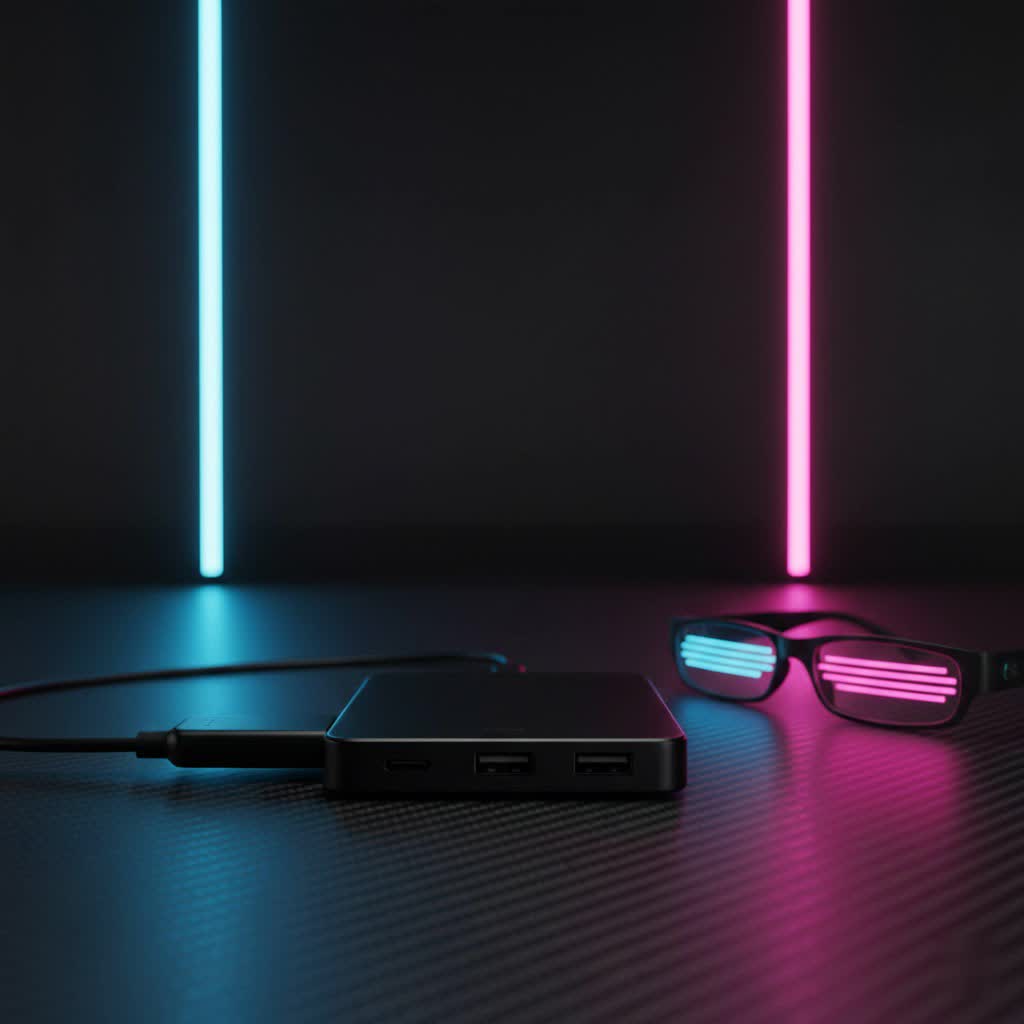
Overview of USB Ethernet Hubs
What is a USB Ethernet Hub?
|
Our Picks for the Best USB Hub in 2026
As an Amazon Associate I earn from qualifying purchases.
|
||
| Num | Product | Action |
|---|---|---|
| 1 | 13 in 1 USB C Docking Station - Dual Monitor, Triple Display, 8 USB C/A Ports, Ethernet, Audio - LIONWEI USB C Hub for MacBook,Dell,HP,Lenovo,Surface |

|
| 2 | ONFINIO USB Hub 3.0, 7-Port USB Hub Splitter with Individual On/Off Switches and Lights, 3.2ft/1m Long Cable Compatible with MacBook, Laptop, Surface Pro, PS4, PC, Flash Drive, Mobile HDD |
|
| 3 | Acer USB C Hub, 7 in 1 Multi-Port Adapter for Laptop, 4K, HDMI Splitter with 2 USB A 3.1 & Type-C to HDMI Data Port, PD 100W Charging, SD Card Reader for Computer, Desktop, Space Grey |
|
| 4 | UGREEN USB 3.0 Hub, 4 Ports USB A Splitter Ultra-Slim USB Expander for Mouse, Keyboard, Flash Drive, U Disk, Printer Compatible with Laptop, Desktop PC, Xbox, PS5, and More |
|
| 5 | USB-C Hub 7-in-1 Multiport Adapter – 4K@30Hz HDMI, USB 3.0, USB 2.0, 100W PD Charging, SD/TF Card Reader – USB-C Docking Station for MacBook Pro/Air, Chromebook, Dell, HP & Type-C Devices |
|
| 6 | Acer USB Hub 4 Ports, Multiple USB 3.0 Hub, USBA Splitter for Laptop with Type C Power Port, Extender for A Port Laptop, PC, Desktop and More (2ft) |
|
| 7 | Anker USB Hub 4 Ports, Multiple USB 3.0 Hub, USB Splitter for Laptop, Extender for A Port Laptop, PC, Desktop and More [Charging Not Supported](2ft USB-A) |
|
| 8 | Powered USB Hub, Wenter 11-Port USB Splitter Hub (10 Faster Data Transfer Ports+ 1 Smart Charging Port) with Individual LED On/Off Switches, USB Hub 3.0 Powered with Power Adapter for Mac, PC |
|
| 9 | Anker 555 USB-C Hub (8-in-1), with 85W Power Delivery, 4K 60Hz HDMI Port, 10Gbps USB C and 2 A Data Ports, Ethernet microSD SD Card Reader, for MacBook Pro More |
|
| 10 | PWAY USB 2.0 Switch, USB Switcher Selector 2 Computers Sharing 4 USB2.0 Ports, KVM Switch Devices Peripheral Hub for Keyboard Mouse Printer Scanner Compatible with Windows Mac Linux |
|
A USB Ethernet hub is a versatile peripheral that merges the functionalities of a standard USB hub with a dedicated Ethernet adapter. It connects to your computer via a single USB port, expanding it into multiple USB ports (e.g., USB-A, USB-C) and, most importantly, providing an RJ45 Ethernet port for a wired network connection. This device essentially acts as an external network card while simultaneously offering additional USB connectivity.
Why Use a USB Ethernet Hub?
The need for a USB Ethernet hub arises from several common scenarios. Many ultrabooks, tablets, and even some desktop PCs lack a built-in Ethernet port, making wired internet impossible without an adapter. A USB Ethernet hub addresses this by providing a direct, stable wired connection, which is often superior to Wi-Fi for tasks requiring high bandwidth or low latency, such as online gaming, streaming 4K video, large file transfers, or secure corporate environments. Beyond networking, these hubs expand the limited USB ports on your device, allowing you to connect various peripherals like external hard drives, keyboards, mice, printers, and flash drives simultaneously, boosting productivity and convenience.
Types of USB Ethernet Hubs
USB Ethernet hubs come in various configurations, primarily differing by their USB connection standard, power source, and the number of ports they offer.
USB Hubs by Connection Standard
The USB standard of the hub dictates its maximum data transfer speeds for both the USB ports and the integrated Ethernet.
- USB 2.0: These hubs offer theoretical maximum speeds of 480 Mbps for USB data and typically support 10/100 Mbps Ethernet. While sufficient for basic peripherals like mice, keyboards, and older printers, USB 2.0 hubs can create bottlenecks for high-speed data transfers or Gigabit Ethernet connections.
- USB 3.0 (USB 3.1 Gen 1 / USB 3.2 Gen 1): Often referred to as “SuperSpeed USB,” these hubs deliver significantly faster data transfer rates of up to 5 Gbps. When paired with a Gigabit Ethernet port, they provide a stable 1000 Mbps (1 Gbps) wired network connection. This is the most common and recommended standard for most users, offering an excellent balance of speed, compatibility, and affordability. They are also backward compatible with USB 2.0 devices.
- USB 3.1 Gen 2 (USB 3.2 Gen 2): Known as “SuperSpeed+ USB,” this standard pushes data transfer speeds up to 10 Gbps. While 10 Gbps Ethernet is less common in integrated hubs, some USB 3.1 Gen 2 hubs may support faster Ethernet speeds like 2.5 Gbps or even 5 Gbps, ideal for advanced users with compatible network infrastructure.
- USB 4: The latest USB standard, USB 4, offers even higher bandwidth, with speeds reaching up to 20-40 Gbps. Hubs incorporating USB 4 or Thunderbolt (which shares the USB-C connector and offers similar high-performance capabilities) can support ultra-fast Ethernet speeds (2.5G, 5G, 10G) and are often found in high-end docking stations designed for demanding professional workflows or multiple high-resolution displays.
- USB-C: It’s important to distinguish USB-C as a physical connector type rather than a specific USB standard. USB-C hubs are widely popular due to their reversible design and versatility. They can support various underlying USB standards (USB 3.0, 3.1, 3.2, USB 4, and Thunderbolt), determining their ultimate speed and capabilities. When choosing a USB-C hub with Ethernet, verify the actual USB generation it supports to ensure it meets your speed requirements.
USB Hubs by Power Source
The power source of a USB Ethernet hub is crucial, especially when connecting power-hungry devices.
- Bus-Powered USB Hubs (without external power): These compact and portable hubs draw all their power directly from the host computer’s USB port. They are ideal for connecting low-power peripherals like keyboards, mice, and flash drives. However, they may struggle to reliably power multiple high-draw devices such as external hard drives or charging smartphones, potentially leading to connection drops or slow performance.
- Self-Powered USB Hubs (with external power): Equipped with their own external power adapter, self-powered hubs provide consistent and ample power to all connected devices. This makes them indispensable for users who need to connect several power-hungry peripherals, ensure stable data transfer for external storage, or charge multiple devices simultaneously. While less portable due to the need for an external power brick, they offer superior stability and performance.
> “Choosing between a bus-powered and self-powered hub is about balancing portability with the demands of your peripherals. For serious work or multiple devices, a self-powered hub is almost always the better, more reliable choice.” – Admin, reviewhaat.com
USB Hubs by Number of Ports
The number of USB ports available on a hub, in addition to the Ethernet port, varies widely to suit different needs.
- USB Hubs with 4 Ports: These are common for basic expansion, offering typically three USB-A ports alongside the Ethernet. They are suitable for users with a few essential peripherals and a need for wired internet.
- USB Hubs with 7 Ports: Providing more flexibility, these hubs cater to users who need to connect a greater number of devices, such as external storage, webcam, microphone, and standard input devices, all while maintaining an Ethernet connection.
- USB Hubs with 10 Ports or More: Often integrated into more robust docking stations, these high-capacity hubs are designed for professional users or complex workstations that require extensive connectivity, including multiple USB ports, high-speed Ethernet, video outputs (HDMI/DisplayPort), and card readers.
Comparison Table of Key USB Ethernet Hub Features
| Feature | USB 2.0 Hub + Ethernet | USB 3.0 Hub + Gigabit Ethernet | USB 3.1 Gen 2 Hub + 2.5G/5G Ethernet | USB 4 / Thunderbolt Hub + High-Speed Ethernet |
|---|---|---|---|---|
| Max USB Data Speed | 480 Mbps | 5 Gbps | 10 Gbps | 20-40 Gbps |
| Max Ethernet Speed | 10/100 Mbps | 1 Gbps (Gigabit) | 2.5 Gbps / 5 Gbps | 5 Gbps / 10 Gbps |
| Power Source Options | Bus-powered, Self-powered | Bus-powered, Self-powered | Bus-powered (limited), Self-powered | Self-powered (typically) |
| Common Port Types | USB-A | USB-A, USB-C | USB-A, USB-C | USB-C (Thunderbolt 3/4 compatible) |
| Typical Use Cases | Basic peripherals, older devices | Most everyday users, gaming, streaming, office work | High-speed data, advanced users, faster networks | Professional workstations, multiple displays, ultra-fast storage/network |
| Price Point | Lower | Moderate | Moderate to Higher | Premium |
USB Ethernet Hub Buying Guide
Choosing the right USB Ethernet hub requires a thoughtful assessment of your current setup and future needs.
Determine Your Needs
Start by evaluating what you need to connect.
- Devices: List all the peripherals you intend to use (e.g., mouse, keyboard, external SSD, printer, webcam, monitor).
- Speed: Is a wired internet connection for gaming, large file transfers, or 4K streaming crucial? This will heavily influence the required Ethernet and USB standards.
- Portability: Do you need a compact, lightweight hub for travel, or a more robust, static solution for a desktop setup?
- Power: Will you be connecting power-hungry devices? If so, a self-powered hub is essential.
Choose the Right Connection Standard
- Host Port Compatibility: First, check the type of USB port available on your computer (USB-A, USB-C, or Thunderbolt). Your hub’s upstream connector must match.
- Performance Match: For most users, a USB 3.0 (or USB 3.1 Gen 1/USB 3.2 Gen 1) hub with Gigabit Ethernet provides ample speed and reliability. If your internet connection or local network infrastructure supports speeds beyond 1 Gbps (e.g., 2.5G or 5G Ethernet), and your computer has a USB-C or Thunderbolt port, consider a USB 3.1 Gen 2 or USB 4 hub that supports these faster Ethernet speeds. Remember, the entire chain (router, cables, hub, computer port) must support the desired speed to achieve it.
Select the Appropriate Number of Ports
Estimate the number of USB devices you typically use simultaneously. It’s often wise to choose a hub with one or two extra USB ports than you currently need to accommodate future devices or occasional use. Also, consider if you need other port types such as HDMI for external displays, SD card readers for photographers, or additional USB-C data ports.
Decide on Powered vs. Bus-Powered
- Bus-Powered: Opt for a bus-powered hub if portability is your top priority and you only plan to connect low-power devices.
- Self-Powered: For stable performance, connecting external hard drives, or charging multiple devices, a self-powered hub is highly recommended. It prevents power-related issues like device disconnections or slow charging.
Brand and Price
Invest in a reputable brand known for quality and reliability. While budget options exist, cheaper hubs might compromise on build quality, data transfer stability, or power delivery. Read user reviews to gauge real-world performance and consider the warranty offered. Prices vary significantly based on features, brand, and build quality.
Top Picks: Recommended USB Ethernet Hubs
- Anker 555 8-in-1 USB-C Hub: Praised for its robust build and reliable wired Ethernet connection, it offers two USB 3.2 Gen 2 USB-A ports, one USB-C data port, an HDMI port with 4K@60Hz support, and a Gigabit Ethernet port, making it an excellent all-around choice for those prioritizing a stable network.
- ABLEWE USB 3.0 4-Port Hub with Ethernet: A solid option combining three USB 3.0 ports with a 1 Gbps Ethernet adapter, offering good value for expanding both USB and network capabilities, particularly for USB-A host devices.
- UGREEN Revodok Pro 109 USB C Hub: This hub delivers a premium experience with a strong performance across its various ports, including a Gigabit Ethernet connection, multiple USB-A ports (one supporting 10Gbps), and SD card slots, suitable for a comprehensive laptop expansion.
- TP-Link UE306 Gigabit Adapter: While primarily a USB to Ethernet adapter, it’s notable for its compact, foldable design and plug-and-play Gigabit Ethernet speeds, making it an excellent budget-friendly choice for travelers or students needing basic wired connectivity without extra USB ports.
Conclusion
A USB Ethernet hub is more than just an accessory; it’s a vital tool for maximizing your device’s potential, especially in a world increasingly reliant on both extensive connectivity and stable network performance. By intelligently expanding your single USB port, these hubs ensure you can always access a fast, reliable wired internet connection and connect all your essential peripherals without compromise. Carefully considering your specific needs in terms of speed, power, and port variety will guide you to the perfect USB Ethernet hub, transforming your workspace and enhancing your digital experience.
What connectivity challenges do you face with your current setup, and how do you envision a USB Ethernet hub solving them?
Frequently Asked Questions
Can a USB hub affect internet speed?
Yes, a USB hub can affect internet speed, particularly if the hub or its connection to the computer uses an older USB standard like USB 2.0. A USB 2.0 hub might bottleneck a Gigabit Ethernet adapter, limiting the network speed to 100 Mbps. To ensure optimal internet speed, always use a USB 3.0 (or higher) hub with a Gigabit Ethernet port, connected to a compatible USB 3.0 (or higher) port on your computer.
Do I need a powered USB hub for external hard drives with Ethernet?
Yes, in most cases, a self-powered (or externally powered) USB Ethernet hub is highly recommended when connecting external hard drives. External hard drives, especially 3.5-inch desktop models, require more power than bus-powered hubs can reliably provide. Even 2.5-inch portable drives often perform better and more stably with a powered hub, preventing potential data corruption or disconnection issues.
Is a USB Ethernet adapter better than Wi-Fi for gaming?
For gaming, a USB Ethernet adapter typically offers significant advantages over Wi-Fi. A wired Ethernet connection provides a more stable connection with lower latency (ping), reduces signal interference, and generally delivers more consistent speeds. This translates to less lag, fewer disconnections, and a smoother, more reliable online gaming experience compared to the inherent variability of Wi-Fi.
