In the rapidly evolving world of personal computing, the need for seamless connectivity is more crucial than ever. Modern PCs, while powerful, often present a challenge: a limited number of internal USB headers on the motherboard. This can be a significant hurdle when building or upgrading a system, especially with the proliferation of internal peripherals like all-in-one (AIO) liquid coolers, RGB lighting controllers, and fan controllers, all vying for those precious motherboard connections. The solution to this common dilemma lies in a discreet yet powerful device: the internal USB hub. This comprehensive guide will demystify internal USB hubs, exploring their purpose, types, installation, and how to choose the perfect one to expand your PC’s internal connectivity.
Understanding Internal USB Hubs
What is an Internal USB Hub?
|
Our Picks for the Best USB Hub in 2026
As an Amazon Associate I earn from qualifying purchases.
|
||
| Num | Product | Action |
|---|---|---|
| 1 | Acer USB Hub 4 Ports, Multiple USB 3.0 Hub, USBA Splitter for Laptop with Type C Power Port, Extender for A Port Laptop, PC, Desktop and More (2ft) |

|
| 2 | 13 in 1 USB C Docking Station - Dual Monitor, Triple Display, 8 USB C/A Ports, Ethernet, Audio - LIONWEI USB C Hub for MacBook,Dell,HP,Lenovo,Surface |
|
| 3 | USB-C Hub 7-in-1 Multiport Adapter – 4K@30Hz HDMI, USB 3.0, USB 2.0, 100W PD Charging, SD/TF Card Reader – USB-C Docking Station for MacBook Pro/Air, Chromebook, Dell, HP & Type-C Devices |
|
| 4 | PWAY USB 2.0 Switch, USB Switcher Selector 2 Computers Sharing 4 USB2.0 Ports, KVM Switch Devices Peripheral Hub for Keyboard Mouse Printer Scanner Compatible with Windows Mac Linux |
|
| 5 | Anker USB Hub 4 Ports, Multiple USB 3.0 Hub, USB Splitter for Laptop, Extender for A Port Laptop, PC, Desktop and More [Charging Not Supported](2ft USB-A) |
|
| 6 | Acer USB C Hub, 7 in 1 Multi-Port Adapter for Laptop, 4K, HDMI Splitter with 2 USB A 3.1 & Type-C to HDMI Data Port, PD 100W Charging, SD Card Reader for Computer, Desktop, Space Grey |
|
| 7 | Powered USB Hub, Wenter 11-Port USB Splitter Hub (10 Faster Data Transfer Ports+ 1 Smart Charging Port) with Individual LED On/Off Switches, USB Hub 3.0 Powered with Power Adapter for Mac, PC |
|
| 8 | UGREEN USB 3.0 Hub, 4 Ports USB A Splitter Ultra-Slim USB Expander for Mouse, Keyboard, Flash Drive, U Disk, Printer Compatible with Laptop, Desktop PC, Xbox, PS5, and More |
|
| 9 | ONFINIO USB Hub 3.0, 7-Port USB Hub Splitter with Individual On/Off Switches and Lights, 3.2ft/1m Long Cable Compatible with MacBook, Laptop, Surface Pro, PS4, PC, Flash Drive, Mobile HDD |
|
| 10 | Anker 555 USB-C Hub (8-in-1), with 85W Power Delivery, 4K 60Hz HDMI Port, 10Gbps USB C and 2 A Data Ports, Ethernet microSD SD Card Reader, for MacBook Pro More |
|
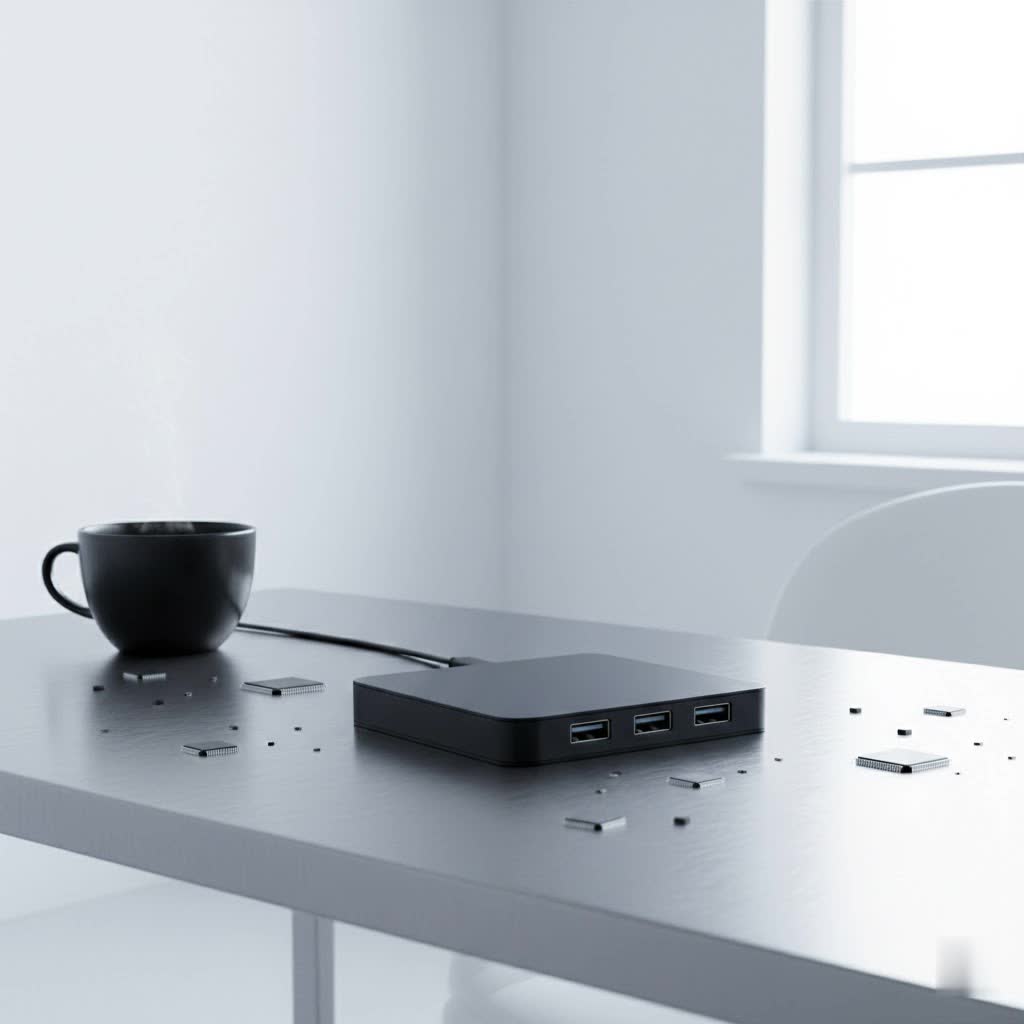
An internal USB hub is a specialized device designed to expand the number of internal USB headers available on your PC’s motherboard. Unlike their external counterparts, which offer additional USB ports for peripherals outside your computer case, internal hubs are compact units meant to be installed within the case itself. They typically connect to a single existing USB header on your motherboard (most commonly a 9-pin USB 2.0 header) and then split that single connection into multiple identical headers, allowing you to connect several internal devices simultaneously. This clever solution helps maintain a clean, organized internal build without sacrificing functionality.
Why Do You Need an Internal USB Hub?
The primary reason for needing an internal USB hub stems from the increasing number of PC components that require an internal USB connection. Motherboards, particularly smaller form factors or older models, often provide only one or two USB 2.0 headers. When you start adding popular components like:
- All-in-One (AIO) Liquid Coolers: Many AIO coolers need a USB 2.0 connection for software control of pump speeds, fan curves, and RGB lighting.
- RGB Lighting Controllers: Dedicated controllers for intricate RGB setups often require an internal USB header to synchronize lighting effects with software.
- Fan Controllers: Advanced fan controllers that offer granular speed control and monitoring typically use an internal USB connection.
- Front Panel USB Ports: If your case has front-panel USB ports, they also connect to motherboard headers.
- Security Dongles or Wireless Receivers: Some users prefer to keep these devices discreetly hidden inside the case for security or aesthetic reasons.
Without an internal USB hub, you might find yourself in a frustrating situation, unable to connect all your essential internal peripherals. An internal hub neatly resolves this, allowing all your devices to communicate with your system.
Types and Features of Internal USB Hubs
While the core function of all internal USB hubs is to expand connectivity, they come with various specifications and features to consider.
Connectivity Standards
The vast majority of internal USB hubs available today are designed to expand USB 2.0 headers. These are the familiar 9-pin headers on your motherboard. USB 2.0 offers data transfer speeds of up to 480 Mbps, which is perfectly adequate for the types of devices typically connected internally, such as AIOs, RGB controllers, and fan controllers that primarily send command signals and telemetry data rather than large files.
While USB 3.0 (19-pin) internal headers exist, internal hubs for this standard are less common for general-purpose internal component expansion. It’s crucial to match the hub’s standard to your motherboard’s header and the requirements of your devices. Keep in mind that all devices connected to an internal USB 2.0 hub will share the single 480 Mbps bandwidth of the original header it’s plugged into.
Powering Your Internal Hub
A critical distinction for internal USB hubs, and a key factor in their reliability, is how they receive power. Almost all reputable internal USB hubs are self-powered (also known as active hubs). This means they draw power directly from your PC’s power supply unit (PSU), typically via a SATA power connector.
This dedicated power source is vital because it prevents the hub and its connected devices from overdrawing power from the motherboard’s single USB header. Motherboard headers have power limitations, and connecting multiple power-hungry devices to an unpowered hub can lead to instability, device dropouts, or even damage. A self-powered hub ensures a stable and sufficient power supply to all connected peripherals.
Number of Ports
Internal USB hubs commonly offer an expansion from one motherboard header to four internal USB 2.0 headers. This configuration is often sufficient for most users looking to connect their AIO, RGB controller, and other accessories. Some specialized hubs might offer more or fewer ports, but four is a practical standard. When choosing, consider not just your current needs but also any potential future additions to your build.
Design and Installation Features
Internal USB hubs are designed for discreet placement within your PC case. They often feature:
- Compact Form Factor: Small and low-profile to fit in tight spaces.
- Magnetic Mounting: Many hubs come with embedded magnets, allowing them to snap onto any steel surface inside your case for quick and tool-less installation.
- Adhesive Tapes: Some include 3M dual lock tapes for secure mounting on non-magnetic surfaces.
- Plug-and-Play Functionality: Most internal hubs are recognized automatically by your operating system, requiring no additional drivers.
Installing an Internal USB Hub
Installing an internal USB hub is a straightforward process, but it requires careful attention to detail.
Pre-Installation Steps
- Power Off and Disconnect: Completely shut down your computer and unplug it from the wall outlet.
- Open PC Case: Remove the side panel(s) of your PC case to access the motherboard and internal components.
- Locate USB 2.0 Header: Identify an available 9-pin USB 2.0 header on your motherboard. Consult your motherboard manual if you’re unsure of its location. These headers typically have nine pins arranged in two rows, with one pin usually missing or blocked to ensure correct orientation.
Connection Steps
- Connect Hub to Motherboard: Connect one end of the included USB connection cable (usually a flat ribbon cable) to the designated “upstream” port on your internal USB hub. Connect the other end to the available USB 2.0 header on your motherboard. Ensure it’s securely seated.
- Connect SATA Power: Attach the SATA power cable from your power supply unit (PSU) to the SATA power input on the internal USB hub. This provides the necessary stable power. Most hubs will have an LED indicator that lights up once power is supplied, indicating it’s functioning correctly.
- Connect Internal USB Devices: Plug your internal USB devices (AIO cooler, RGB controller, fan controller, etc.) into the available “downstream” USB 2.0 headers on the hub.
- Cable Management: Tidy up the cables using zip ties or Velcro straps to improve airflow and aesthetics inside your case.
- Close Case and Power On: Once all connections are secure and cable management is complete, close your PC case, reconnect the power cable, and power on your computer. Your system should automatically detect the hub and connected devices.
Choosing the Right Internal USB Hub
Selecting the ideal internal USB hub involves considering your specific needs and understanding key product features.
Assess Your Connectivity Needs
Begin by listing all your internal devices that require a USB header. This includes your AIO, RGB controllers, fan hubs, and any other internal gadgets. Count the number of headers you need, and then choose a hub that offers at least that many, preferably with one or two spare for future expansion.
Consider USB Standard and Speed
For most internal PC components, a USB 2.0 hub is entirely sufficient. These devices don’t typically require the high data transfer rates of USB 3.0 or newer standards. Confirm that the hub is compatible with your motherboard’s available USB 2.0 headers. Remember that the total bandwidth of the hub will be limited by the single header it connects to on the motherboard.
Power Requirements
Always opt for a self-powered internal USB hub that connects to your PSU via a SATA power connector. This is crucial for stability, especially when connecting multiple devices that draw power. An unpowered hub might struggle to provide enough current, leading to inconsistent performance or device failure. Verify the hub has a power indicator LED for easy troubleshooting.
Brand Reputation and Reviews
Consider purchasing from reputable brands known for quality PC components. Reading user reviews can provide valuable insights into a product’s real-world performance, compatibility, and any common issues. Look for feedback regarding detection of devices, stability under load, and ease of installation.
Additional Features
Some hubs offer minor conveniences like:
- Magnetic Mounting: Simplifies installation and repositioning.
- Compact Size: Essential for smaller PC cases.
- Status LEDs: Quick visual confirmation that the hub is powered and active.
Troubleshooting Common Internal USB Hub Issues
While generally reliable, internal USB hubs can sometimes encounter issues. Here’s how to troubleshoot common problems:
Devices Not Detected
- Check Power Connection: Ensure the SATA power cable is firmly connected to both the hub and your PSU. Look for the hub’s power indicator LED to confirm it’s receiving power. This is the most common cause of detection issues.
- Verify Motherboard Connection: Make sure the USB cable from the hub is securely connected to an active USB 2.0 header on your motherboard. Try a different motherboard header if available.
- Test Devices Directly: If a specific device isn’t detected, try connecting it directly to your motherboard’s USB 2.0 header (if possible) to rule out the device itself as the problem.
- Restart PC: A simple restart can often resolve minor connectivity glitches.
- Avoid Chaining Hubs: It is generally not recommended to connect one internal USB hub into another, as this can lead to performance issues or electrical hazards. Connect each hub directly to a motherboard header.
Performance Issues (e.g., Wireless Dongles)
- Signal Degradation: If you’re using a wireless dongle (for a mouse, keyboard, or headset) plugged into an internal hub and experiencing range or latency issues, the enclosed metal chassis of your PC case might be interfering with the wireless signal. Consider using an external USB port for such devices if performance is critical.
Conclusion
An internal USB hub is an indispensable tool for any PC builder or enthusiast looking to maximize their system’s internal connectivity without cluttering external ports. By understanding what these hubs are, why they’re needed, and how to properly select and install them, you can effortlessly integrate all your internal peripherals, from advanced cooling systems to elaborate RGB lighting setups. Investing in a reliable, self-powered internal USB hub ensures a stable, high-performing, and aesthetically pleasing PC build, allowing you to unlock the full potential of your components with confidence.
Are you ready to streamline your PC’s internal connections?
Frequently Asked Questions
What is the difference between an internal and external USB hub?
An internal USB hub is designed to be installed inside your PC case, expanding the number of internal USB headers on your motherboard. An external USB hub, conversely, is a standalone device that plugs into an existing USB port on the outside of your computer to provide more accessible external ports for peripherals.
Do internal USB hubs need external power?
Yes, most reliable internal USB hubs are self-powered (active hubs) and require a dedicated power connection, typically a SATA power cable from your power supply unit (PSU). This ensures stable power delivery to all connected devices and prevents overdrawing current from your motherboard’s USB headers.
Can I connect multiple internal USB hubs?
While technically possible if your motherboard has multiple USB 2.0 headers, it is generally not recommended to daisy-chain or connect one internal USB hub into another. Connecting each hub directly to a separate motherboard header is advised to ensure optimal performance and avoid potential issues.
Will an internal USB hub slow down my devices?
All devices connected to an internal USB 2.0 hub share the total bandwidth of the single motherboard header it’s plugged into (480 Mbps). For typical internal components like RGB controllers or AIO coolers, this bandwidth is usually sufficient and won’t cause noticeable slowdowns. However, if you were to connect multiple high-bandwidth devices, performance could be collectively limited.
What devices typically connect to an internal USB hub?
Common devices connected to internal USB hubs include all-in-one (AIO) liquid coolers, RGB lighting controllers, fan controllers, front panel USB ports, and sometimes wireless dongles or security keys that users prefer to keep inside the PC case for aesthetics or security.
