In our increasingly connected world, modern devices, while sleek and powerful, often leave us scrambling for more connectivity. Whether it’s a laptop with limited ports or a peripheral that needs to be positioned far from your computer, a USB extender hub emerges as a crucial solution. These versatile devices not only expand your available USB ports but, in some specialized forms, also dramatically extend the reach of your USB connections, streamlining your workspace and enhancing productivity. This guide will walk you through everything you need to know about USB extender hubs, helping you make an informed decision to find the perfect solution for your digital ecosystem.
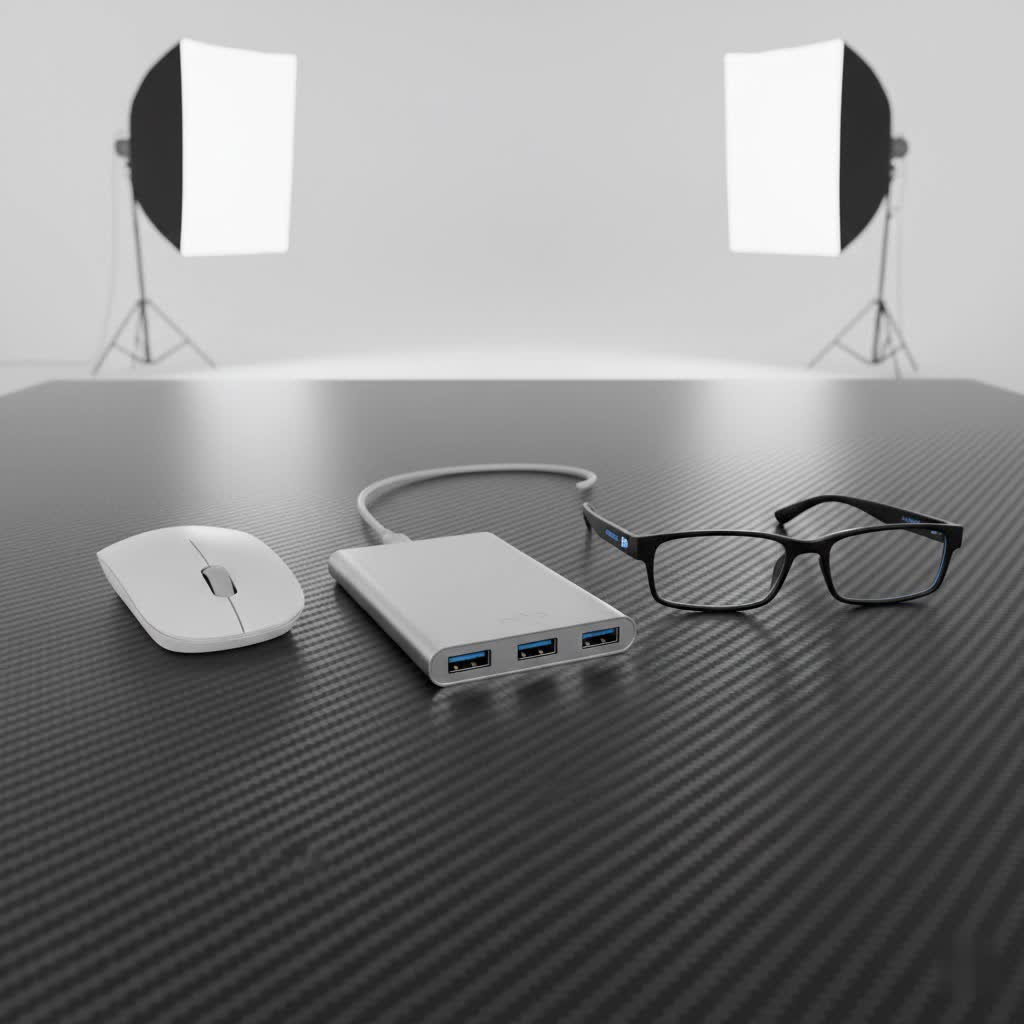
Overview of USB Extender Hubs
What is a USB Extender Hub?
|
Our Picks for the Best USB Hub in 2026
As an Amazon Associate I earn from qualifying purchases.
|
||
| Num | Product | Action |
|---|---|---|
| 1 | Acer USB C Hub, 7 in 1 Multi-Port Adapter for Laptop, 4K, HDMI Splitter with 2 USB A 3.1 & Type-C to HDMI Data Port, PD 100W Charging, SD Card Reader for Computer, Desktop, Space Grey |

|
| 2 | Anker 555 USB-C Hub (8-in-1), with 85W Power Delivery, 4K 60Hz HDMI Port, 10Gbps USB C and 2 A Data Ports, Ethernet microSD SD Card Reader, for MacBook Pro More |
|
| 3 | Powered USB Hub, Wenter 11-Port USB Splitter Hub (10 Faster Data Transfer Ports+ 1 Smart Charging Port) with Individual LED On/Off Switches, USB Hub 3.0 Powered with Power Adapter for Mac, PC |
|
| 4 | UGREEN USB 3.0 Hub, 4 Ports USB A Splitter Ultra-Slim USB Expander for Mouse, Keyboard, Flash Drive, U Disk, Printer Compatible with Laptop, Desktop PC, Xbox, PS5, and More |
|
| 5 | Acer USB Hub 4 Ports, Multiple USB 3.0 Hub, USBA Splitter for Laptop with Type C Power Port, Extender for A Port Laptop, PC, Desktop and More (2ft) |
|
| 6 | ONFINIO USB Hub 3.0, 7-Port USB Hub Splitter with Individual On/Off Switches and Lights, 3.2ft/1m Long Cable Compatible with MacBook, Laptop, Surface Pro, PS4, PC, Flash Drive, Mobile HDD |
|
| 7 | PWAY USB 2.0 Switch, USB Switcher Selector 2 Computers Sharing 4 USB2.0 Ports, KVM Switch Devices Peripheral Hub for Keyboard Mouse Printer Scanner Compatible with Windows Mac Linux |
|
| 8 | 13 in 1 USB C Docking Station - Dual Monitor, Triple Display, 8 USB C/A Ports, Ethernet, Audio - LIONWEI USB C Hub for MacBook,Dell,HP,Lenovo,Surface |
|
| 9 | USB-C Hub 7-in-1 Multiport Adapter – 4K@30Hz HDMI, USB 3.0, USB 2.0, 100W PD Charging, SD/TF Card Reader – USB-C Docking Station for MacBook Pro/Air, Chromebook, Dell, HP & Type-C Devices |
|
| 10 | Anker USB Hub 4 Ports, Multiple USB 3.0 Hub, USB Splitter for Laptop, Extender for A Port Laptop, PC, Desktop and More [Charging Not Supported](2ft USB-A) |
|
At its core, a USB hub is a device that transforms a single USB port on your computer into multiple ports, allowing you to connect several USB devices simultaneously, much like a power strip for your digital accessories. An “extender” component, when combined with a hub, allows these multiple ports to be located at a significant distance from the host computer, overcoming the inherent distance limitations of standard USB cables. This often involves using technologies like Ethernet (CAT5/6/7) cables or even fiber optics to transmit the USB signal over extended ranges.
Historically, USB hubs simply offered more ports. As technology advanced, the need to place devices further away, perhaps in a different room or across a large desk, led to the development of USB extenders. The combination, a “USB extender hub,” provides the dual benefit of both port expansion and extended reach.
Why Use a USB Extender Hub?
The primary reasons to utilize a USB extender hub are to address the common problems of insufficient USB ports and restricted cable lengths on your host device. Many modern laptops come with only a few USB-C ports, making it challenging to connect older USB-A peripherals or multiple devices at once. A USB extender hub effectively expands your computer’s connectivity, enabling you to plug in everything from external hard drives and printers to webcams and charging cables.
Beyond port expansion, these hubs offer significant convenience by extending the physical reach of your USB connections. This is invaluable for setups where devices like security cameras, interactive whiteboards, or remote printers need to be located beyond the standard 5-meter (16-foot) USB cable limit. By providing both extra ports and extended distance, a USB extender hub helps create a more organized and efficient workspace, allowing for greater flexibility in device placement and reducing cable clutter.
Popular Types of USB Extender Hubs
USB extender hubs come in various forms, differentiated by their connection standards, power sources, and the number of ports they offer. Understanding these distinctions is key to choosing the right device for your specific needs.
USB Hubs by Connection Standard
The USB standard dictates the speed and capabilities of your connection. Choosing a hub with the appropriate standard ensures optimal performance for your connected devices.
- USB 2.0: Offering speeds up to 480 Mbps, USB 2.0 hubs are sufficient for low-bandwidth devices such as keyboards, mice, and basic printers. While slower, they are widely compatible and often more affordable.
- USB 3.0 (USB 3.1 Gen 1 / USB 3.2 Gen 1): With speeds up to 5 Gbps, USB 3.0 provides a significant leap in data transfer rates, making it ideal for external hard drives, high-resolution webcams, and faster data syncs. It’s backward compatible with USB 2.0 devices.
- USB 3.1 Gen 2 (USB 3.2 Gen 2): These hubs push speeds up to 10 Gbps, perfect for high-performance external SSDs, 4K video capture devices, and other bandwidth-intensive applications.
- USB 3.2 Gen 2×2: The latest iteration in the USB 3.x family, offering an impressive 20 Gbps. These are cutting-edge and best suited for professional environments with extreme data transfer demands.
- USB 4: Leveraging the Thunderbolt 3 protocol, USB 4 offers speeds up to 40 Gbps and is typically found in higher-end docking stations rather than simple hubs. It provides superior bandwidth for multiple high-resolution displays, external GPUs, and ultrafast storage.
- Thunderbolt: While technically a different standard, many modern USB-C hubs incorporate Thunderbolt compatibility. Thunderbolt 3 and 4 offer up to 40 Gbps, supporting power delivery, dual 4K displays, and highly demanding peripherals through a single cable.
USB Hubs by Power Source
How a USB extender hub draws power significantly impacts its capabilities and the types of devices it can support.
- Bus-Powered USB Hubs (Unpowered): These hubs draw all their power directly from the host computer’s USB port. They are typically compact, portable, and do not require an external power adapter, making them ideal for travel. However, they are best suited for low-power devices like a mouse, keyboard, or flash drives. Connecting too many power-hungry devices can lead to instability or insufficient power for some peripherals.
- Self-Powered USB Hubs (Powered): Equipped with their own AC power adapter, these hubs provide dedicated power to all connected devices. This ensures consistent and ample power, even for high-energy peripherals such as external hard drives, printers, and certain charging devices. Powered hubs are more reliable for demanding setups and prevent performance degradation caused by power shortages.
USB Hubs by Port Count
The number of ports on a USB extender hub should align with your current and future connectivity needs.
- 4-Port USB Hubs: These are common and suitable for basic expansion, such as connecting a mouse, keyboard, and a couple of other low-power accessories. They often serve as compact, portable solutions.
- 7-Port USB Hubs: Offering more versatility, 7-port hubs can accommodate a wider range of peripherals, ideal for a typical home office or workstation where multiple devices are in use.
- 10+ Port USB Hubs: Designed for power users and complex setups, these hubs provide extensive connectivity for numerous devices, often found in professional editing suites, gaming stations, or specialized industrial applications. Some even include additional ports like Ethernet, HDMI, or SD card readers.
Comparison Table: USB Extender Hubs
| Feature / Type | USB 2.0 Hub | USB 3.0/3.1 Gen 1 Hub | USB 3.1 Gen 2/3.2 Gen 2 Hub | USB 4 / Thunderbolt Hub | Bus-Powered Hub | Self-Powered Hub |
|---|---|---|---|---|---|---|
| Max Data Speed | 480 Mbps | 5 Gbps | 10 Gbps | Up to 40 Gbps | Varies by USB Standard | Varies by USB Standard |
| Power Source | Bus or Self-Powered | Bus or Self-Powered | Bus or Self-Powered | Self-Powered (often) | From Host USB | External AC Adapter |
| Best For | Mouse, Keyboard, Printers | External HDDs, Flash Drives | SSDs, 4K Webcams | Multiple 4K Displays, eGPUs | Low-Power Devices, Travel | High-Power Devices, Stability |
| Typical Ports | 4-7 | 4-10+ | 4-10+ | Multi-function (USB, HDMI, Ethernet) | 4-7 | 7-10+ |
| Distance Ext. (Cat5/6) | Up to 76m (low-speed), 50m (high-speed) | Up to 18m (active cables) | Limited / Specialized | Limited / Specialized | Short distance | Can support extenders |
| Cost | Low | Medium | Medium-High | High | Low | Medium-High |
| Compatibility | Wide (backward compatible) | Wide (backward compatible) | Good (backward compatible) | Newer devices, specific OS | Broad | Broad |
Buying Guide: How to Choose the Right USB Extender Hub
Selecting the ideal USB extender hub involves carefully assessing your needs and understanding the various features available. Consider these factors to make a smart choice:
1. Determine Your Usage Needs
Start by outlining what you intend to connect. Are you primarily looking to add a few extra ports for basic peripherals like a mouse and keyboard? Or do you need to connect power-hungry devices like external hard drives, or extend USB signals over a long distance to a security camera or printer?
- For basic office use: A simple USB 3.0 bus-powered hub with 4-7 ports might suffice.
- For creative professionals or gamers: You’ll likely need a self-powered USB 3.1 Gen 2 or USB 4 hub to handle high data transfer rates and multiple devices.
- For long distances: Look for specialized USB extenders that utilize CAT5/6 cables and incorporate a multi-port hub at the receiver end.
2. Choose the Appropriate Connection Standard
Your computer’s USB ports and the devices you plan to connect will dictate the necessary USB standard for your hub.
- If your computer has USB-A ports, most standard USB-A hubs will work.
- For modern laptops with only USB-C or Thunderbolt ports, you’ll need a USB-C hub, which often includes various port types (USB-A, HDMI, Ethernet, SD card readers) in addition to USB-C passthrough charging.
- Always aim for a hub that matches or exceeds the USB standard of your most demanding peripheral to avoid bottlenecks. While a USB 3.0 hub is backward compatible with USB 2.0 devices, it’s best to use a USB 3.0 or higher hub if you frequently transfer large files.
3. Select the Right Number of Ports
Estimate the total number of devices you need to connect simultaneously, and then add a few extra ports for future expansion. It’s always better to have a couple of spare ports than to constantly swap devices. Hubs typically range from 4 to 10 or more ports. For more specialized use cases, some USB extender hubs combine multiple USB ports with other connectivity options like Ethernet or video outputs.
4. Decide on Powered vs. Unpowered
This is a critical decision based on your power requirements:
- Unpowered (Bus-Powered) Hubs: Choose these for low-power devices like mice, keyboards, and USB flash drives. They are compact and require no external adapter, perfect for portability.
- Powered (Self-Powered) Hubs: Essential for connecting power-intensive devices such as external hard drives, printers, scanners, or for charging multiple smartphones. A powered hub ensures stable performance and prevents power-related issues, especially when extending over long distances. “If higher power-draining devices are needed, such as large external hard drives, printers, scanners, and some monitors, then a USB port hub with a dedicated power supply is the best course of action.”
5. Consider Brands and Price
Investing in a reputable brand often means better build quality, reliability, and customer support. While cheaper options exist, “when dealing with power, safety is always a paramount concern”, and a low-quality hub could potentially damage connected devices. Compare prices across different brands and read user reviews to gauge real-world performance and durability. Look for features like individual port switches, which can be convenient for power cycling unresponsive devices or conserving energy.
Conclusion
Navigating the world of USB connectivity doesn’t have to be a tangled mess of cables and insufficient ports. A well-chosen USB extender hub is a powerful tool to streamline your workspace, expand your device capabilities, and overcome distance limitations. By understanding the differences in USB standards, power sources, and port configurations, you can confidently select a solution that not only meets your current needs but also prepares you for future technological advancements.
From boosting your productivity with seamless peripheral connections to enabling remote device placement, the right USB extender hub can transform your digital experience. Which aspect of a USB extender hub do you find most crucial for your setup: speed, port count, or extended reach?
