In an increasingly connected world, modern laptops, tablets, and even smartphones are embracing the sleek, versatile USB-C port, often at the expense of traditional USB-A ports or other essential connectors. This shift, while offering impressive capabilities, frequently leaves users grappling with a common problem: how to connect their existing peripherals and external displays. If you’ve found yourself searching for extra ports, struggling with tangled cables, or needing to connect a range of devices to a single USB-C port, then a USB to USB-C hub is your indispensable solution. This comprehensive guide will navigate you through the world of USB-C hubs, helping you understand their functionality, explore the various types available, and empower you to choose the perfect hub to meet your unique needs and enhance your digital workflow.
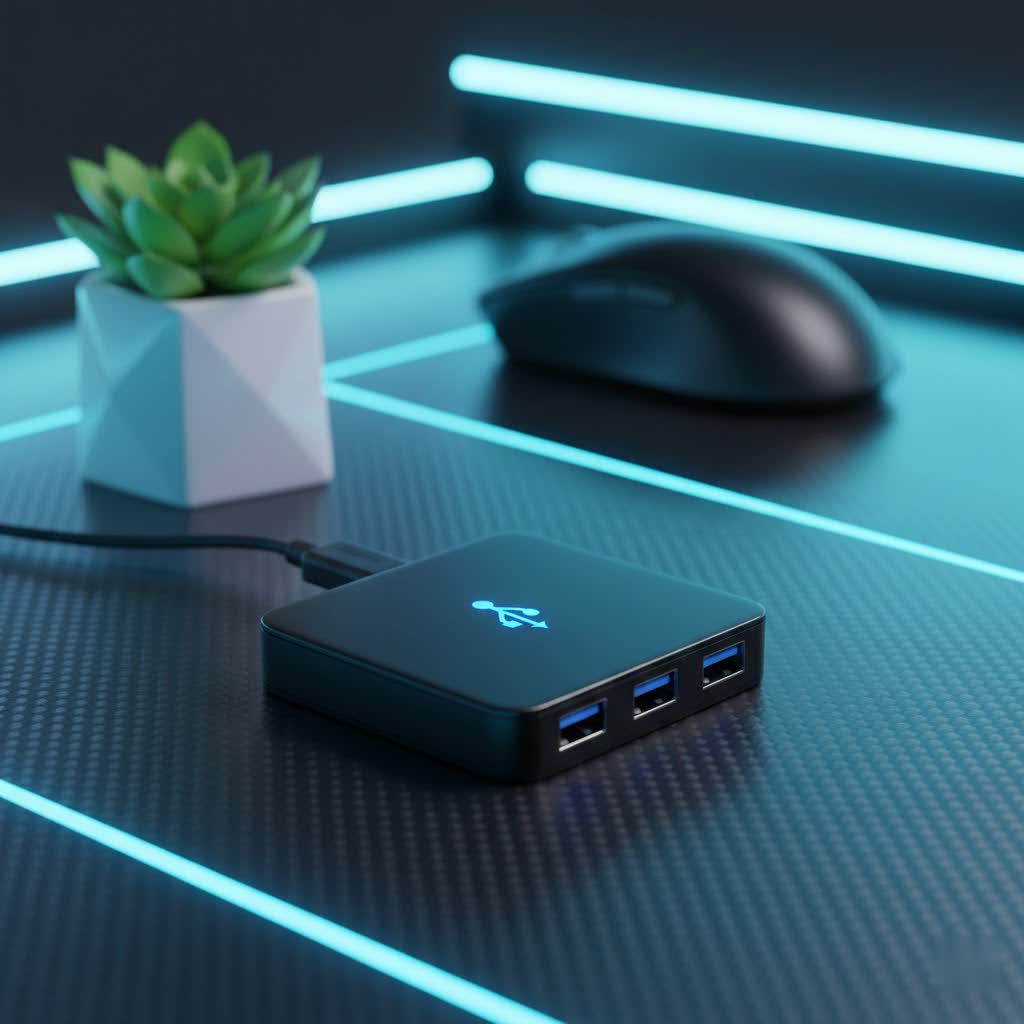
Overview of USB Hubs
What is a USB Hub?
|
Our Picks for the Best USB Hub in 2026
As an Amazon Associate I earn from qualifying purchases.
|
||
| Num | Product | Action |
|---|---|---|
| 1 | Acer USB C Hub, 7 in 1 Multi-Port Adapter for Laptop, 4K, HDMI Splitter with 2 USB A 3.1 & Type-C to HDMI Data Port, PD 100W Charging, SD Card Reader for Computer, Desktop, Space Grey |

|
| 2 | Powered USB Hub, Wenter 11-Port USB Splitter Hub (10 Faster Data Transfer Ports+ 1 Smart Charging Port) with Individual LED On/Off Switches, USB Hub 3.0 Powered with Power Adapter for Mac, PC |
|
| 3 | Anker USB Hub 4 Ports, Multiple USB 3.0 Hub, USB Splitter for Laptop, Extender for A Port Laptop, PC, Desktop and More [Charging Not Supported](2ft USB-A) |
|
| 4 | PWAY USB 2.0 Switch, USB Switcher Selector 2 Computers Sharing 4 USB2.0 Ports, KVM Switch Devices Peripheral Hub for Keyboard Mouse Printer Scanner Compatible with Windows Mac Linux |
|
| 5 | Acer USB Hub 4 Ports, Multiple USB 3.0 Hub, USBA Splitter for Laptop with Type C Power Port, Extender for A Port Laptop, PC, Desktop and More (2ft) |
|
| 6 | Anker 555 USB-C Hub (8-in-1), with 85W Power Delivery, 4K 60Hz HDMI Port, 10Gbps USB C and 2 A Data Ports, Ethernet microSD SD Card Reader, for MacBook Pro More |
|
| 7 | 13 in 1 USB C Docking Station - Dual Monitor, Triple Display, 8 USB C/A Ports, Ethernet, Audio - LIONWEI USB C Hub for MacBook,Dell,HP,Lenovo,Surface |
|
| 8 | USB-C Hub 7-in-1 Multiport Adapter – 4K@30Hz HDMI, USB 3.0, USB 2.0, 100W PD Charging, SD/TF Card Reader – USB-C Docking Station for MacBook Pro/Air, Chromebook, Dell, HP & Type-C Devices |
|
| 9 | ONFINIO USB Hub 3.0, 7-Port USB Hub Splitter with Individual On/Off Switches and Lights, 3.2ft/1m Long Cable Compatible with MacBook, Laptop, Surface Pro, PS4, PC, Flash Drive, Mobile HDD |
|
| 10 | UGREEN USB 3.0 Hub, 4 Ports USB A Splitter Ultra-Slim USB Expander for Mouse, Keyboard, Flash Drive, U Disk, Printer Compatible with Laptop, Desktop PC, Xbox, PS5, and More |
|
A USB hub is a device that expands a single Universal Serial Bus (USB) port into multiple ports, allowing several peripherals to connect to a host computer through a single connection. Specifically, a USB-C hub takes advantage of the advanced capabilities of a USB-C port on a host device—which is a reversible, compact, and high-bandwidth connector—and converts it into a variety of other ports. These can include traditional USB-A ports, HDMI for video output, Ethernet for wired internet, SD card readers, and even additional USB-C ports for data or power delivery. Essentially, it’s a central docking point for all your essential accessories.
Why Use a USB-C Hub?
The primary reason to use a USB-C hub is to overcome the limitations of port scarcity on many contemporary devices. Modern laptops, especially ultrabooks and professional models, prioritize thin designs, leading to fewer built-in ports. This necessitates a hub to connect everyday peripherals like mice, keyboards, external hard drives, printers, and webcams. Beyond simple expansion, USB-C hubs also unlock advanced functionalities. They can enable multi-monitor setups, provide stable wired internet connections in areas with unreliable Wi-Fi, facilitate rapid data transfer from memory cards, and even power your laptop through a single cable, significantly decluttering your workspace and boosting productivity.
Types of USB Hubs
USB-C hubs come in a wide array of configurations, each designed to cater to different user requirements and device capabilities. Understanding these distinctions is crucial for selecting the best hub for your setup. The core differences often revolve around the data transfer standards they support, how they receive power, and the specific types and number of ports they offer.
USB Hubs by Connection Standard
While the physical connector is USB-C, the underlying technology varies significantly, dictating speed and capabilities. Most USB-C hubs will feature downstream ports that operate according to different USB standards.
- USB 2.0: This older standard offers data transfer speeds of up to 480 Mbps. While slow for large file transfers, USB 2.0 ports are perfectly adequate for low-bandwidth devices like keyboards, mice, and printers, making them a cost-effective inclusion in many hubs.
- USB 3.0 (also known as USB 3.1 Gen 1 or USB 3.2 Gen 1×1): A significant upgrade, USB 3.0 provides speeds up to 5 Gbps (Gigabits per second). These ports are ideal for external hard drives, USB flash drives, and high-resolution webcams, offering a good balance of speed and affordability for most everyday tasks.
- USB 3.1 Gen 2 (also known as USB 3.2 Gen 2×1): Doubling the speed of USB 3.0, this standard supports data transfer rates of up to 10 Gbps. These high-speed ports are beneficial for connecting external SSDs, high-performance capture cards, or other devices where maximum data throughput is critical.
- USB 3.2 Gen 2×2: This is a less common but faster standard, offering up to 20 Gbps by utilizing two lanes of 10 Gbps. You’ll primarily find this in more specialized or premium hubs.
- USB4 and Thunderbolt: These advanced protocols leverage the USB-C connector to deliver exceptional bandwidth, up to 40 Gbps for Thunderbolt 3/4 and USB4, and even 80 Gbps for USB4 2.0. Hubs and docking stations supporting these standards can manage multiple 4K displays, external GPUs, and extremely fast storage, often with robust power delivery capabilities. Your host device must also support Thunderbolt or USB4 to fully utilize these speeds.
USB Hubs by Power Source
The way a USB-C hub gets its power is a critical factor, especially when connecting power-hungry devices or charging your host laptop.
- Bus-Powered USB Hubs: These hubs draw all their operating power directly from the host device’s USB-C port. They are typically compact, highly portable, and do not require an external power adapter. Bus-powered hubs are best suited for connecting low-power peripherals such as mice, keyboards, and flash drives. However, they may struggle to power multiple high-draw devices like external hard drives or optical drives, potentially leading to instability or underperformance.
- Self-Powered USB Hubs: Equipped with their own external power adapter, self-powered hubs draw power from a wall outlet. This independent power supply ensures stable power distribution to all connected devices, regardless of their power demands. They are ideal for setups involving multiple power-hungry peripherals, ensuring consistent performance and reliability. Many self-powered hubs also feature Power Delivery (PD) pass-through, allowing them to charge your laptop while simultaneously providing connectivity, streamlining your desk setup with a single cable connection to your laptop.
USB Hubs by Port Quantity and Features
The sheer variety of ports offered is often what defines a USB-C hub’s utility, transforming a single USB-C port into a versatile expansion dock.
- Simple Port Expansion Hubs: These are typically smaller, more basic hubs primarily designed to add more USB-A ports (e.g., 2, 3, or 4 ports) to your USB-C device. They are excellent for connecting fundamental peripherals like a mouse, keyboard, or a few USB flash drives.
- Multi-Function Hubs (or Multiport Adapters): These are the most popular type, offering a combination of various port types. A common configuration includes several USB-A ports, an HDMI port for connecting an external display, an SD and/or microSD card reader for photographers and videographers, and often a USB-C Power Delivery port for pass-through charging. Some also include an Ethernet port for a stable wired network connection.
- Advanced Docking Stations: While sometimes referred to as hubs, full-fledged docking stations usually offer a much wider array of ports and higher power delivery, often requiring external power themselves. They can support multiple external monitors (sometimes up to three or four), advanced audio jacks, additional high-speed USB-C ports, and often come with more robust internal components for sustained performance. They are typically less portable and more suited for a permanent desktop setup.
Comparison Table: Key USB-C Hub Features
Choosing the right USB-C hub can be simplified by comparing the essential features that directly impact performance and utility. This table highlights key criteria to consider across different hub configurations.
| Feature Category | Basic USB-A Expansion Hub | Multi-Function USB-C Hub | Advanced USB-C Docking Station |
|---|---|---|---|
| Primary Goal | Add more USB-A ports | Versatile expansion for common peripherals | Comprehensive desktop connectivity & power |
| Host Connection | USB-C (usually supports USB 3.0/5Gbps) | USB-C (USB 3.0/5Gbps to USB 3.1 Gen 2/10Gbps, sometimes Thunderbolt/USB4) | USB-C (often Thunderbolt/USB4 for max bandwidth) |
| Typical USB-A Ports | 2-4 ports (USB 3.0/5Gbps) | 2-3 ports (USB 3.0/5Gbps or 3.1 Gen 2/10Gbps) | 3-5+ ports (mixed speeds, usually 3.1 Gen 2/10Gbps) |
| Video Output | Rarely, if ever | 1x HDMI (4K@30Hz common, 4K@60Hz in premium models) | 2-3x HDMI/DisplayPort (often 4K@60Hz, sometimes 8K) |
| Ethernet | Rarely | Often included (Gigabit Ethernet) | Usually included (Gigabit or 2.5 Gigabit Ethernet) |
| Card Readers | No | SD/microSD (common) | SD/microSD (common) |
| Power Delivery (PD) | No or minimal pass-through (e.g., 15W) | Up to 100W pass-through (85-90W effective for laptop) | 60W to 100W+ pass-through (often includes own power supply) |
| Portability | Very high (pocket-sized) | High (compact, travel-friendly) | Low (desktop fixture, larger) |
| External Power Req. | No (bus-powered) | Often no (bus-powered if minimal, or PD pass-through) | Yes (self-powered with AC adapter) |
| Typical Use Cases | Mouse, keyboard, flash drives | Everyday use, presentations, light photo/video editing | Professional workstations, multi-monitor setups, high-speed data |
How to Choose the Right USB-C Hub (Buying Guide)
Selecting the ideal USB-C hub requires a thoughtful assessment of your current setup, future needs, and the capabilities of your devices. A well-chosen hub can significantly streamline your workflow, while a mismatch can lead to frustration.
Determine Your Needs
Before diving into specifications, make a clear list of what you intend to connect and how you plan to use the hub.
- Which devices do you need to connect? Think about everything: external hard drives, SSDs, printers, webcams, microphones, flash drives, keyboards, and mice. Note whether these are USB-A or USB-C.
- Is video output necessary? Do you need to connect an external monitor, projector, or TV? If so, consider the resolution (1080p, 4K) and refresh rate (30Hz, 60Hz) you require.
- Do you need a wired internet connection? For stable, high-speed internet, especially for gaming, streaming, or large file transfers, an Ethernet port is essential.
- Are memory card readers important? Photographers, videographers, and drone enthusiasts often need SD and microSD card slots for quick media transfers.
- How important is portability? If you travel frequently, a compact, bus-powered hub might be preferable. For a stationary desk setup, a more robust, self-powered docking station could be better.
- What are your data transfer speed requirements? For basic peripherals, 5 Gbps is sufficient. For external SSDs or large files, aim for 10 Gbps or higher.
Check Host Device Capabilities
The functionality of your USB-C hub is ultimately limited by the USB-C port on your laptop, tablet, or phone. Not all USB-C ports are created equal.
- Understand the USB-C Standard: Look for symbols next to your USB-C port or check your device’s specifications. A simple USB trident indicates basic data. “SS 10” or “SS 20” means 10 Gbps or 20 Gbps SuperSpeed data, respectively.
- DisplayPort Alternate Mode (Alt Mode): For video output, your device’s USB-C port must support DisplayPort Alt Mode. Without it, even a hub with an HDMI port won’t be able to output video.
- Power Delivery (PD) Support: If you want your hub to charge your laptop, your USB-C port needs to support Power Delivery. Also, check the wattage your laptop requires (e.g., 65W, 90W, 100W) and ensure the hub’s PD pass-through matches or exceeds it. A 100W PD hub typically provides around 85-90W to the laptop after accounting for the hub’s own power consumption.
- Thunderbolt or USB4: If your device has a lightning bolt icon next to the USB-C port, it likely supports Thunderbolt (3 or 4) or USB4. These offer the highest bandwidth (up to 40 Gbps or 80 Gbps), enabling support for multiple high-resolution displays and faster external storage. A Thunderbolt hub is generally backward compatible with standard USB-C, but a standard USB-C hub cannot fully utilize a Thunderbolt port’s capabilities.
Select Appropriate Port Configuration
Based on your determined needs, choose a hub that offers the right mix and number of ports.
- USB-A Ports: Ensure there are enough USB-A ports for your legacy devices. Consider if you need both USB 3.0 (5 Gbps) and faster USB 3.1 Gen 2 (10 Gbps) ports.
- Video Ports: If you need to connect an external display, look for an HDMI or DisplayPort output. Verify the maximum resolution and refresh rate it supports (e.g., 4K@60Hz is smoother than 4K@30Hz). For multiple displays, you’ll need a hub specifically designed for that, often utilizing DisplayLink technology or Thunderbolt.
- Ethernet Port: For reliable network connectivity, a Gigabit Ethernet port is a standard and highly recommended feature.
- Card Readers: If you work with media, ensure the hub has both SD and microSD slots if needed, and check their transfer speeds.
- Additional USB-C Ports: Some hubs include extra USB-C ports for data transfer or connecting other USB-C peripherals.
Consider Power Delivery (PD)
For laptops that charge via USB-C, a hub with Power Delivery pass-through is a game-changer. It allows you to use your laptop’s original charger to power both the hub and your laptop through a single connection. Check the maximum wattage the hub can accept (input) and the maximum wattage it can deliver to your laptop (output). Ensure the output wattage meets or slightly exceeds your laptop’s charging requirements for optimal performance.
Brand Reputation and Reviews
Invest in a USB-C hub from a reputable brand known for quality and reliability. Popular brands often have better build quality, more stable performance, and reliable customer support. Read user reviews to gauge real-world performance, common issues, and compatibility experiences with various devices. Look for hubs with good thermal management, as some can run warm under heavy load.
Conclusion
USB to USB-C hubs have become an essential tool in our increasingly minimalist tech landscape, bridging the gap between legacy peripherals and cutting-edge USB-C devices. By understanding the different types available—from simple port expanders to feature-rich multiport adapters and robust docking stations—and carefully considering your specific connectivity needs and your device’s capabilities, you can confidently select a USB-C hub that truly enhances your productivity and declutters your digital life. With the right USB-C hub, you’re not just adding ports; you’re unlocking the full potential of your devices. So, are you ready to transform your single USB-C port into a powerhouse of possibilities?
Frequently Asked Questions
What’s the difference between a USB-C hub and a docking station?
While often used interchangeably, a USB-C hub is typically a compact, portable device expanding a few ports. A docking station, however, is generally larger, offers a wider array of ports (including multiple display outputs), robust power delivery, and is usually designed for a permanent desktop setup, transforming a laptop into a full workstation.
Can a USB-C hub charge my laptop?
Yes, many USB-C hubs feature Power Delivery (PD) pass-through, allowing them to charge your laptop while simultaneously providing connectivity for other devices. You connect your laptop’s original USB-C power adapter to the hub, and the hub then passes power through to your laptop. Ensure the hub’s PD wattage matches or exceeds your laptop’s charging needs.
Do all USB-C ports support video output?
No, not all USB-C ports support video output. For video to work through a USB-C hub, your host device’s USB-C port must support “DisplayPort Alternate Mode” (Alt Mode). Always check your device’s specifications or look for symbols next to the port to confirm this capability before purchasing a hub for video output.
What is Power Delivery (PD) in a USB-C hub?
Power Delivery (PD) is a specification that allows for higher power transfer over USB-C connections, up to 100W or even 240W with USB PD 3.1 Extended Power Range. In a USB-C hub, PD enables the hub to receive power from an external charger and pass it through to charge your laptop, while also powering its own internal components and connected peripherals.
Can I connect multiple monitors to a USB-C hub?
Many multi-function USB-C hubs support a single external monitor via an HDMI or DisplayPort. For connecting two or more external monitors, you typically need a more advanced docking station that utilizes DisplayLink technology or a Thunderbolt-compatible hub/dock, provided your host device also supports these technologies.
