Modern laptops and tablets are marvels of minimalist design, sleek and powerful, yet often at the cost of essential connectivity ports. If you’ve ever found yourself juggling adapters or wishing for more ways to connect your peripherals, you’re not alone. This is where the versatile USB-C HDMI USB hub becomes an indispensable tool. Transforming a single USB-C port into a comprehensive workstation, these hubs offer a seamless solution for video output, high-speed data transfer, and power delivery. This guide will delve into everything you need to know about USB-C HDMI USB hubs, helping you navigate the options and choose the perfect one to expand your device’s capabilities and streamline your digital life.
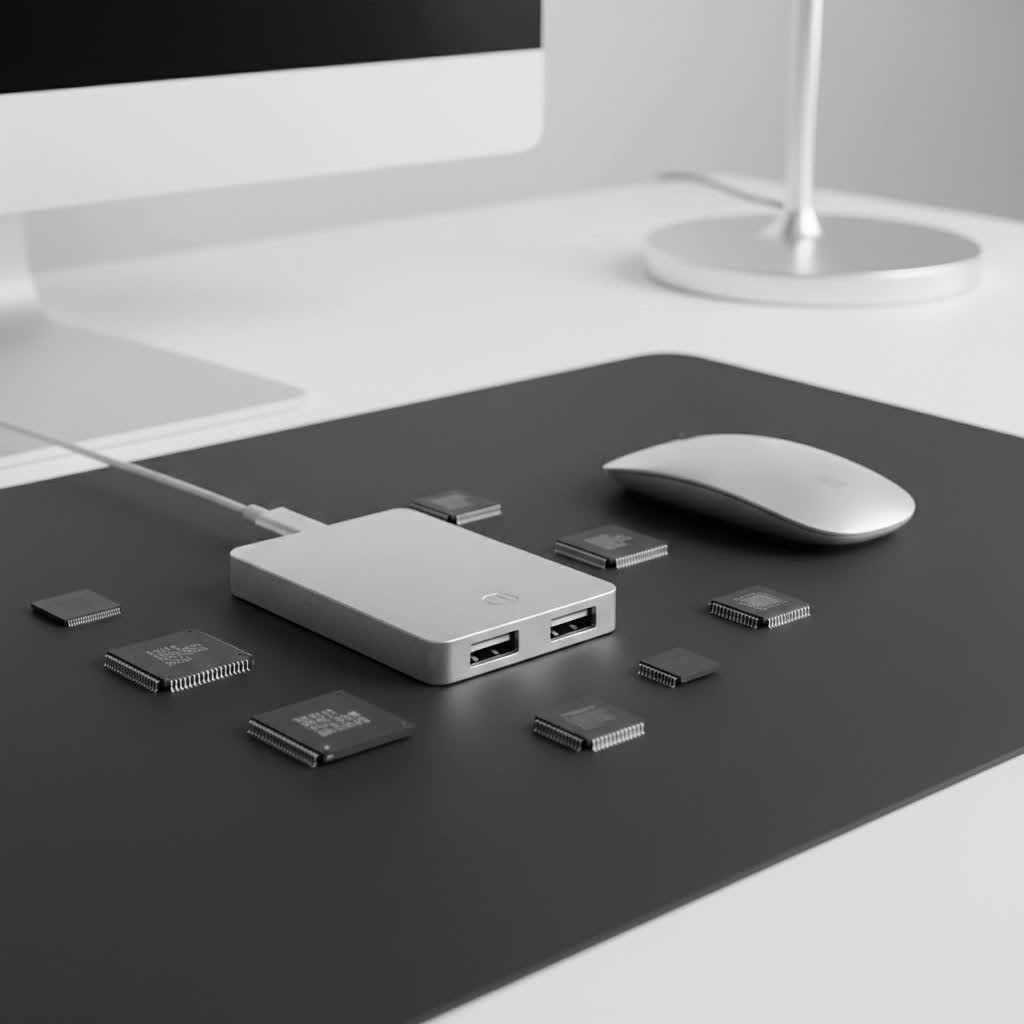
Overview of USB-C Hubs
What is a USB-C Hub?
|
Our Picks for the Best USB Hub in 2026
As an Amazon Associate I earn from qualifying purchases.
|
||
| Num | Product | Action |
|---|---|---|
| 1 | PWAY USB 2.0 Switch, USB Switcher Selector 2 Computers Sharing 4 USB2.0 Ports, KVM Switch Devices Peripheral Hub for Keyboard Mouse Printer Scanner Compatible with Windows Mac Linux |

|
| 2 | ONFINIO USB Hub 3.0, 7-Port USB Hub Splitter with Individual On/Off Switches and Lights, 3.2ft/1m Long Cable Compatible with MacBook, Laptop, Surface Pro, PS4, PC, Flash Drive, Mobile HDD |
|
| 3 | Acer USB Hub 4 Ports, Multiple USB 3.0 Hub, USBA Splitter for Laptop with Type C Power Port, Extender for A Port Laptop, PC, Desktop and More (2ft) |
|
| 4 | USB-C Hub 7-in-1 Multiport Adapter – 4K@30Hz HDMI, USB 3.0, USB 2.0, 100W PD Charging, SD/TF Card Reader – USB-C Docking Station for MacBook Pro/Air, Chromebook, Dell, HP & Type-C Devices |
|
| 5 | Acer USB C Hub, 7 in 1 Multi-Port Adapter for Laptop, 4K, HDMI Splitter with 2 USB A 3.1 & Type-C to HDMI Data Port, PD 100W Charging, SD Card Reader for Computer, Desktop, Space Grey |
|
| 6 | Anker USB Hub 4 Ports, Multiple USB 3.0 Hub, USB Splitter for Laptop, Extender for A Port Laptop, PC, Desktop and More [Charging Not Supported](2ft USB-A) |
|
| 7 | 13 in 1 USB C Docking Station - Dual Monitor, Triple Display, 8 USB C/A Ports, Ethernet, Audio - LIONWEI USB C Hub for MacBook,Dell,HP,Lenovo,Surface |
|
| 8 | Anker 555 USB-C Hub (8-in-1), with 85W Power Delivery, 4K 60Hz HDMI Port, 10Gbps USB C and 2 A Data Ports, Ethernet microSD SD Card Reader, for MacBook Pro More |
|
| 9 | UGREEN USB 3.0 Hub, 4 Ports USB A Splitter Ultra-Slim USB Expander for Mouse, Keyboard, Flash Drive, U Disk, Printer Compatible with Laptop, Desktop PC, Xbox, PS5, and More |
|
| 10 | Powered USB Hub, Wenter 11-Port USB Splitter Hub (10 Faster Data Transfer Ports+ 1 Smart Charging Port) with Individual LED On/Off Switches, USB Hub 3.0 Powered with Power Adapter for Mac, PC |
|
In its simplest form, a hub is a device designed to expand a single connection into multiple ports. A USB-C hub specifically leverages the remarkable capabilities of the USB-C standard, which allows for the simultaneous transmission of power, data, and video signals through one cable. These compact expansion devices connect to your device’s USB-C port, providing a range of additional interfaces. Common additions include HDMI for external displays, traditional USB-A ports for legacy devices, SD and Micro SD card readers for media, Ethernet for wired internet, and USB-C Power Delivery for charging your host device.
Why Use a USB-C Hub?
The primary reason for the surging popularity of USB-C hubs stems from the trend of modern devices featuring fewer built-in ports. A USB-C hub effectively bridges this gap, solving several common connectivity challenges. It significantly expands port availability, allowing you to connect multiple peripherals like a mouse, keyboard, external hard drives, or a printer to your laptop or tablet. Crucially, many hubs include an HDMI output, enabling you to connect external monitors or TVs for an expanded display or presentations. They also facilitate easy file transfers with dedicated USB data ports and card readers. Furthermore, with Power Delivery (PD) pass-through, you can charge your device while simultaneously using all other connected peripherals, transforming a single port into a fully functional workstation, whether at home, in the office, or on the go.
Types of USB-C HDMI USB Hubs
USB-C HDMI USB hubs come in various configurations, each tailored to different needs and device capabilities. Understanding these distinctions is key to selecting the right hub for you.
USB Hubs by Connection Standard
The performance of a USB-C hub largely depends on the underlying USB standard it supports for its data and video ports:
- USB 2.0: These ports offer basic connectivity with speeds up to 480 Mbps. While sufficient for low-bandwidth devices like a mouse, keyboard, or printer, they are generally too slow for efficient file transfers or charging.
- USB 3.0 (also known as USB 3.1 Gen 1 or USB 3.2 Gen 1): Providing speeds of up to 5 Gbps, these ports are the standard for most common accessories like webcams and external hard drives, offering fast enough performance for everyday use.
- USB 3.1 Gen 2 (also known as USB 3.2 Gen 2): Doubling the speed to 10 Gbps, these ports are ideal for connecting high-speed external SSDs or other peripherals that demand rapid data transfer, preventing performance bottlenecks.
- USB 3.2 Gen 2×2: While less common in standard hubs, this offers an impressive 20 Gbps by utilizing two lanes.
- USB 4 / Thunderbolt (Thunderbolt 3/4): These represent the pinnacle of USB-C connectivity, offering speeds up to 40 Gbps. Found on high-end devices like MacBooks and premium Windows laptops, these hubs can support multiple high-resolution 4K displays, provide powerful charging, and handle large data transfers simultaneously, effectively acting as high-performance docking stations. It’s important to remember that USB-C refers to the connector shape, while Thunderbolt is a high-speed data transfer protocol that operates over the USB-C connector.
USB Hubs by Power Source
The way a USB-C hub receives power significantly impacts its performance and the types of devices it can support:
- Bus-Powered USB Hubs (No External Power): These hubs draw all their power directly from the host device’s USB-C port. They are typically smaller, more portable, and suitable for connecting low-power devices such as a mouse, keyboard, or flash drives. However, they may struggle to power multiple devices simultaneously, especially power-hungry peripherals like external hard drives, or maintain stable video output via HDMI without an external power source.
- Self-Powered USB Hubs (with External Power Supply): These hubs come with their own dedicated power adapter that plugs into a wall outlet. They are essential for connecting multiple power-intensive devices, ensuring stable operation for external hard drives, optical drives, and consistent high-resolution HDMI output. Many self-powered hubs also feature USB-C Power Delivery (PD) pass-through, allowing them to charge your laptop or host device while connected to the hub. This ensures optimal performance across all connected peripherals without draining your laptop’s battery.
USB Hubs by Port Count and Configuration
USB-C HDMI USB hubs also vary greatly in the number and variety of ports they offer, catering to different user needs:
- Basic/Portable Hubs (e.g., 4-in-1, 5-in-1): These compact and lightweight hubs typically include a few USB-A ports, an HDMI output, and sometimes an SD card reader, often with basic Power Delivery. They are ideal for users who need minimal port expansion for travel or basic desktop use.
- Multiport Hubs (e.g., 7-in-1, 9-in-1, 11-in-1): Offering a more comprehensive array of ports, these hubs usually feature multiple USB-A ports, HDMI, an Ethernet port for stable internet, SD/microSD card slots, and higher wattage Power Delivery capabilities. They are best suited for power users and professionals who need to connect numerous devices and maintain a robust workflow.
- Docking Stations: While the lines can blur, docking stations are generally larger and more robust than hubs, designed for a permanent desk setup. They often support dual or even triple monitors, a greater number of USB ports, audio jacks, and significantly higher wattage charging, creating a full desktop experience with a single cable connection to your laptop.
Comparison Table of USB-C HDMI USB Hubs
| Feature / Type | Bus-Powered Hub (Basic) | Self-Powered Multiport Hub | Thunderbolt Docking Station |
|---|---|---|---|
| Typical Ports | 2-3 USB-A, 1 HDMI | 3-5 USB-A, 1 HDMI, SD, Ethernet, USB-C PD | Multiple USB-A/C, HDMI/DisplayPort, Ethernet, SD, Audio, High-wattage PD |
| Data Speed | USB 2.0 (480 Mbps) / USB 3.0 (5 Gbps) | USB 3.0 (5 Gbps) / USB 3.2 Gen 2 (10 Gbps) | Thunderbolt 3/4 (40 Gbps) / USB4 |
| Video Output | 1080p / 4K@30Hz (single) | 4K@30Hz / 4K@60Hz (single) | Up to Dual 4K@60Hz / Single 8K (dependent on host) |
| Power Delivery | Limited / None | Up to 100W Pass-through | 60W – 100W+ Pass-through |
| Power Source | From Host Device | External Power Adapter | External Power Adapter |
| Portability | Excellent (compact, lightweight) | Good (mid-size, portable) | Limited (larger, stationary) |
| Ideal Use Case | Basic peripherals, travel, occasional display | Professional work, multiple peripherals, stable video/data | High-end workstations, creative professionals, dual monitor setups |
| Price Range | Entry-level | Mid-range | Premium |
Buying Guide: How to Choose the Right USB-C HDMI USB Hub
Selecting the perfect USB-C HDMI USB hub involves more than just picking one with the most ports. A thoughtful approach ensures compatibility, functionality, and long-term satisfaction.
1. Identify Your Connectivity Needs
Start by making a comprehensive list of what you need to connect. Consider all your current and potential peripherals, such as a mouse, keyboard, external hard drives, a printer, and crucially, any external monitors. If you need video output, determine the required resolution (e.g., 1080p, 4K) and refresh rate (e.g., 30Hz, 60Hz), and whether you need to connect a single or multiple displays. For tasks involving large files, like video editing or graphic design, prioritize faster data transfer speeds. Finally, think about portability – will you be carrying the hub frequently, or will it remain a stationary part of your desk setup?
2. Match with Your Device’s USB-C Capabilities
Not all USB-C ports are created equal. While the connector itself is standard, the underlying technology varies. To ensure your hub works as expected, especially for video, you must verify what your device’s USB-C port supports:
- DisplayPort Alt Mode: This is absolutely essential for HDMI video output. If your laptop’s USB-C port doesn’t support DisplayPort Alt Mode, a hub with HDMI won’t be able to transmit video.
- Power Delivery (PD): If you intend to charge your laptop through the hub, your USB-C port must support PD. Check the wattage (e.g., 60W, 100W) the hub can pass through, ensuring it meets or exceeds your laptop’s charging requirements.
- Thunderbolt: For the highest speeds and advanced multi-monitor configurations, confirm if your device’s USB-C port is Thunderbolt-enabled. This is common on MacBooks and many high-end Windows laptops.
Always consult your device’s manual or specifications online for precise information on its USB-C port capabilities.
3. Consider Port Selection and Quantity
Based on your needs, choose a hub that provides all the necessary port types and an adequate quantity. If you need to connect a monitor, ensure there’s an HDMI port with the correct resolution support. Count how many USB-A ports you need for legacy devices and consider if you require an Ethernet port for a stable wired internet connection, or an SD card slot for photography and videography. It’s often wise to opt for a hub with one or two extra ports than you currently need, allowing for future expansion without having to purchase another hub.
4. Choose Between Bus-Powered and Self-Powered
Your power requirements will dictate whether a bus-powered or self-powered hub is more suitable. For minimal power draw devices like a mouse, keyboard, or flash drive, a bus-powered hub is convenient and portable. However, if you plan to connect power-hungry devices such as external hard drives, or if you need to charge your laptop via the hub while using multiple peripherals, a self-powered hub with an external power adapter is highly recommended. This ensures stable power delivery to all connected devices and maintains consistent HDMI output, preventing potential performance drops.
5. Evaluate Build Quality and Brand
Invest in a hub with good build quality. Materials like aluminum are often preferred not only for their durability but also for their ability to dissipate heat more effectively. Research reputable brands known for their reliability, compatibility, and customer support. Reading user reviews can provide valuable insights into real-world performance and potential issues. Some hubs also come with certifications (e.g., USB-IF), which indicate adherence to industry standards and can offer peace of mind.
Conclusion
In an era of increasingly minimalist device design, the USB-C HDMI USB hub has emerged as an essential tool, bridging the gap between sleek form and indispensable function. By understanding your specific connectivity needs, verifying your device’s USB-C capabilities, and carefully considering port types, power solutions, and build quality, you can select a hub that not only expands your current setup but also future-proofs your workflow. This versatile accessory is more than just a converter; it’s a productivity enhancer, allowing you to connect external displays, transfer data at high speeds, and power all your peripherals through a single, elegant solution. Upgrade your workspace, streamline your workflow, and explore the full potential of your devices today!
Which feature of a USB-C HDMI USB hub is most crucial for your daily tasks?
Frequently Asked Questions
Can I connect two monitors to a USB-C HDMI USB hub?
Some advanced USB-C hubs and many docking stations support dual monitor setups, but this capability depends entirely on the hub’s specifications and your device’s USB-C port. For dual monitors, your host device’s USB-C port typically needs to support Thunderbolt or a specific version of DisplayPort Alt Mode capable of handling multiple video streams. Always check the product specifications for both the hub and your device.
What is Power Delivery (PD) in a USB-C hub?
Power Delivery (PD) is a specification that allows a USB-C hub to charge your laptop or host device through its USB-C input port while other peripherals are connected and in use. The hub passes power from an external charger connected to the hub through to your device. This feature is crucial for maintaining your laptop’s battery life, with common power ratings ranging from 60W to 100W or higher, depending on the hub and the charger used.
Will a USB-C hub with HDMI work with any laptop?
For HDMI video output to function, your laptop’s USB-C port must specifically support DisplayPort Alt Mode (Alternate Mode). This capability allows the USB-C port to transmit video signals. Unfortunately, not all USB-C ports on all devices have this video output capability, as some may only support data transfer or charging. It is vital to verify your device’s specifications to confirm its USB-C port supports DisplayPort Alt Mode.
Is a USB-C hub the same as a docking station?
While both USB-C hubs and docking stations expand connectivity, there are key differences. USB-C hubs are generally more compact and portable, offering essential port expansion for on-the-go use. Docking stations, in contrast, are typically larger, more robust, and designed for a permanent desktop setup. They often support more complex configurations, such as multiple high-resolution displays, a greater number of high-speed USB ports, and higher power delivery for a comprehensive workstation experience.
What’s the difference between USB 3.0, 3.1, 3.2, and USB4 in hubs?
These terms refer to different generations and specifications of USB data transfer speeds. USB 3.0 (also known as USB 3.1 Gen 1 or USB 3.2 Gen 1) offers speeds up to 5 Gigabits per second (Gbps). USB 3.1 Gen 2 (or USB 3.2 Gen 2) doubles this to 10 Gbps. USB4 is the newest standard, delivering speeds up to 40 Gbps, and often incorporates Thunderbolt technology for even greater capabilities, including support for multiple high-resolution displays and faster data throughput. Generally, higher numbers indicate faster data transfer capabilities.
