In today’s world of sleek, ultra-portable devices, convenience often comes at the cost of connectivity. Laptops and tablets are getting thinner, but the number of built-in ports seems to shrink with each new generation. This leaves many users grappling with a fundamental challenge: how to connect all their essential peripherals and external displays. This is precisely where a Usb And Hdmi Hub becomes an indispensable tool, transforming a single port into a versatile gateway for all your devices.
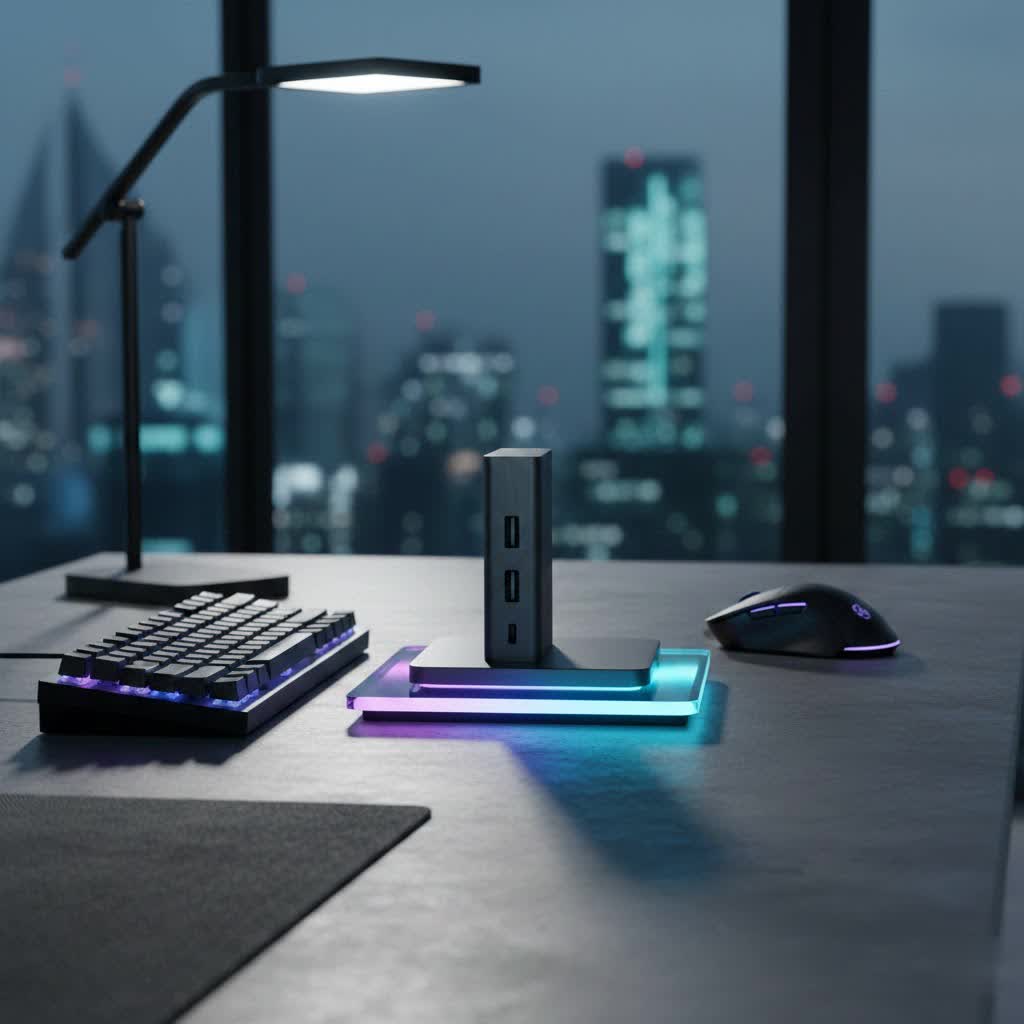
This comprehensive guide will demystify USB and HDMI hubs, explaining what they are, why they are essential, the various types available, and how to choose the perfect one to streamline your digital life and enhance your productivity.
Overview of USB and HDMI Hubs
What is a USB and HDMI Hub?
|
Our Picks for the Best USB Hub in 2026
As an Amazon Associate I earn from qualifying purchases.
|
||
| Num | Product | Action |
|---|---|---|
| 1 | Anker 555 USB-C Hub (8-in-1), with 85W Power Delivery, 4K 60Hz HDMI Port, 10Gbps USB C and 2 A Data Ports, Ethernet microSD SD Card Reader, for MacBook Pro More |

|
| 2 | Acer USB C Hub, 7 in 1 Multi-Port Adapter for Laptop, 4K, HDMI Splitter with 2 USB A 3.1 & Type-C to HDMI Data Port, PD 100W Charging, SD Card Reader for Computer, Desktop, Space Grey |
|
| 3 | USB-C Hub 7-in-1 Multiport Adapter – 4K@30Hz HDMI, USB 3.0, USB 2.0, 100W PD Charging, SD/TF Card Reader – USB-C Docking Station for MacBook Pro/Air, Chromebook, Dell, HP & Type-C Devices |
|
| 4 | Acer USB Hub 4 Ports, Multiple USB 3.0 Hub, USBA Splitter for Laptop with Type C Power Port, Extender for A Port Laptop, PC, Desktop and More (2ft) |
|
| 5 | Anker USB Hub 4 Ports, Multiple USB 3.0 Hub, USB Splitter for Laptop, Extender for A Port Laptop, PC, Desktop and More [Charging Not Supported](2ft USB-A) |
|
| 6 | ONFINIO USB Hub 3.0, 7-Port USB Hub Splitter with Individual On/Off Switches and Lights, 3.2ft/1m Long Cable Compatible with MacBook, Laptop, Surface Pro, PS4, PC, Flash Drive, Mobile HDD |
|
| 7 | Powered USB Hub, Wenter 11-Port USB Splitter Hub (10 Faster Data Transfer Ports+ 1 Smart Charging Port) with Individual LED On/Off Switches, USB Hub 3.0 Powered with Power Adapter for Mac, PC |
|
| 8 | PWAY USB 2.0 Switch, USB Switcher Selector 2 Computers Sharing 4 USB2.0 Ports, KVM Switch Devices Peripheral Hub for Keyboard Mouse Printer Scanner Compatible with Windows Mac Linux |
|
| 9 | UGREEN USB 3.0 Hub, 4 Ports USB A Splitter Ultra-Slim USB Expander for Mouse, Keyboard, Flash Drive, U Disk, Printer Compatible with Laptop, Desktop PC, Xbox, PS5, and More |
|
| 10 | 13 in 1 USB C Docking Station - Dual Monitor, Triple Display, 8 USB C/A Ports, Ethernet, Audio - LIONWEI USB C Hub for MacBook,Dell,HP,Lenovo,Surface |
|
At its core, a USB and HDMI hub is a multi-functional adapter designed to expand the connectivity options of your host device, typically a laptop, tablet, or even a smartphone, through a single port—most commonly a USB-C port. Imagine it as a digital power strip, but instead of just electrical outlets, it provides a variety of data, video, and power ports.
These hubs take one USB-C connection and split it into multiple outputs, such as traditional USB-A ports for accessories like keyboards and mice, an HDMI port for connecting external monitors or TVs, and often other useful ports like Ethernet for wired internet, SD card readers for media, and even additional USB-C ports for data or power delivery. The magic behind their video output capability often lies in something called “DisplayPort Alternate Mode” (Alt Mode), a feature of USB-C that allows non-USB signals, including video, to be transmitted over the cable.
Why You Need a USB and HDMI Hub
The necessity for a USB and HDMI hub has grown exponentially with the rise of minimalist device designs. Here’s why these hubs have become a crucial accessory for almost any modern tech user:
- Overcoming Port Limitations: Modern laptops, especially ultrabooks, often come with only a couple of USB-C ports, making it impossible to connect multiple peripherals simultaneously. A hub solves this by providing numerous ports from a single connection.
- Expanding Peripheral Connectivity: Whether you need to plug in a mouse, keyboard, external hard drive, printer, or webcam, a hub ensures you have enough USB-A and sometimes even additional USB-C ports to keep all your devices connected and working.
- Enabling External Displays: The integrated HDMI port allows you to easily extend your screen real estate to an external monitor, projector, or TV, significantly boosting productivity for tasks like presentations, graphic design, or simply enjoying multimedia on a larger screen.
- Creating a Versatile Workstation: With a single plug, you can connect your laptop to a monitor, external drives, a wired network, and charge it, instantly transforming a portable device into a full-fledged desktop workstation, whether you’re at home, in the office, or traveling.
- Consolidated Power Delivery: Many advanced hubs support Power Delivery (PD), meaning they can charge your laptop through the same USB-C connection while you use all the other ports. This eliminates the need for a separate charger, simplifying cable management and making your setup more efficient.
Types of USB and HDMI Hubs
Not all USB and HDMI hubs are created equal. They come in various configurations, each suited for different needs and device capabilities. Understanding these distinctions is key to choosing the right one.
USB Hubs by Connection Standard
The performance of your hub, especially regarding data transfer and video output, largely depends on the USB standard it supports.
- USB 2.0: While still present in some older or very basic hubs for low-bandwidth devices like mice and keyboards, USB 2.0 offers a maximum data transfer rate of 480 Mbps, which is generally too slow for effective HDMI video output or fast data transfers. You won’t typically find dedicated HDMI support on pure USB 2.0 hubs.
- USB 3.0 / 3.1 Gen 1 / 3.2 Gen 1 (5 Gbps): This is a common standard for many multi-port USB-C hubs. It provides significantly faster data transfer than USB 2.0 and is usually sufficient for connecting most everyday peripherals and supporting a single 4K display at a refresh rate of 30Hz. For casual use, this can be acceptable, but some users may find 30Hz to cause eye strain during extended use.
- USB 3.1 Gen 2 / 3.2 Gen 2 (10 Gbps): Offering double the bandwidth of Gen 1, these hubs provide even faster data speeds, making them ideal for connecting external SSDs or other high-bandwidth devices. Crucially, hubs supporting this standard are more likely to offer 4K video output at a smoother 60Hz refresh rate, providing a noticeably better visual experience, especially for tasks involving fast-moving content or general desktop work.
- USB4 / Thunderbolt (20 Gbps, 40 Gbps, 80 Gbps): These represent the pinnacle of USB-C connectivity. Thunderbolt 3 and 4, and now USB4, leverage the USB-C connector but offer vastly superior bandwidth. Thunderbolt 4, for instance, provides a consistent 40 Gbps bandwidth. These hubs (often referred to as docking stations due to their advanced capabilities) are essential for professional users who need to connect multiple high-resolution displays (e.g., dual 4K monitors at 60Hz), high-speed external GPUs, or numerous demanding peripherals without compromise. They offer the most robust and future-proof connectivity solutions.
USB Hubs by Power Source
The way a hub draws its power significantly impacts its capabilities and the types of devices it can support.
- Bus-Powered (Passive Hubs): These hubs draw all their power directly from the host device’s USB port.
- Pros: Highly portable, as they don’t require an external power adapter. Simple plug-and-play operation.
- Cons: Limited power output for connected devices. They might struggle to power power-hungry peripherals like external hard drives or optical drives, and typically cannot provide Power Delivery (PD) to charge your laptop. They are best suited for light-duty devices like keyboards, mice, and flash drives.
- When to Use: Ideal for travel or minimal setups where you only need to connect a few low-power devices and don’t require external display output with high power needs or laptop charging.
- Self-Powered (Active Hubs): These hubs come with their own external AC power adapter.
- Pros: Can provide full power to all connected ports, ensuring stable operation for power-hungry devices. Many self-powered USB-C hubs also support Power Delivery (PD), allowing them to charge your laptop while simultaneously connecting other peripherals. They offer more stable performance for video output.
- Cons: Less portable due to the need for an external power brick and an available power outlet. Can be slightly more expensive.
- When to Use: Recommended for desktop setups, if you connect multiple peripherals, external hard drives, or external monitors, and especially if you want the convenience of charging your laptop through the hub.
USB Hubs by Port Configuration
The number and variety of ports offered are critical considerations, ranging from basic expansion to comprehensive workstation solutions.
- Compact Hubs (e.g., 4-7 ports): These typically offer a combination of USB-A ports, an HDMI port, and often an SD/MicroSD card reader. They are designed for essential connectivity expansion and portability.
- Multi-Port Hubs / Docking Stations (e.g., 8+ ports): These are more robust solutions, often self-powered, providing an extensive array of ports. Beyond USB-A, USB-C, and HDMI, they might include Ethernet for stable wired internet, DisplayPort for additional monitor options, multiple HDMI ports for dual display setups, audio jacks, and more advanced Power Delivery capabilities. The number of display outputs and their resolution/refresh rate capabilities are key differentiators here.
Comparison Table: Understanding Your Options
To help you visualize the differences, here’s a quick comparison of common USB and HDMI hub types:
| Feature | USB 3.0/3.1 Gen 1 Hub | USB 3.1 Gen 2 Hub | Thunderbolt 3/4 / USB4 Hub |
|---|---|---|---|
| Max Data Speed | 5 Gbps | 10 Gbps | 40 Gbps (Thunderbolt), 20-80 Gbps (USB4) |
| Max HDMI Output | 4K@30Hz (single display) | 4K@60Hz (single display) | Dual 4K@60Hz or single 8K (depending on hub) |
| Power Delivery | Up to 60W-100W pass-through | Up to 60W-100W pass-through | Up to 96W-100W+ pass-through |
| Typical Ports | USB-A, HDMI, SD/MicroSD, USB-C PD | USB-A, HDMI, SD/MicroSD, USB-C PD, Ethernet | USB-A, USB-C (data/PD), HDMI, DisplayPort, Ethernet, Audio, SD/MicroSD |
| Price Range | Budget to Mid-range | Mid-range | Premium |
| Best Use Case | Basic expansion, casual display | Faster data, smoother 4K, more demanding peripherals | High-performance, multiple high-res displays, advanced workstations |
How to Choose the Right USB and HDMI Hub (Buying Guide)
Selecting the ideal USB and HDMI hub requires a thoughtful assessment of your current devices and future needs. Don’t simply grab the first hub you see; a little research can save you from compatibility headaches and performance disappointments.
1. Assess Your Device’s USB-C Capabilities
Before anything else, understand what your laptop, tablet, or smartphone’s USB-C port is actually capable of. Not all USB-C ports are created equal.
- DisplayPort Alt Mode: For any hub with HDMI output to work, your device’s USB-C port must support DisplayPort Alt Mode. Most modern devices do, but older or budget models might not. Check your device’s specifications or look for a small “D” or lightning bolt symbol next to the USB-C port.
- USB Standard: Determine if your port is USB 3.0, USB 3.1, USB 3.2, or Thunderbolt. A Thunderbolt port offers significantly more bandwidth, enabling dual 4K displays at 60Hz and faster data transfer, which a standard USB-C 3.1 Gen 1 port cannot achieve.
- Power Input: If you plan to charge your laptop through the hub, note your laptop’s required charging wattage (e.g., 65W, 90W, 100W). The hub’s Power Delivery (PD) input should match or exceed this, keeping in mind that the hub itself consumes some power, so a 100W PD hub might only pass through 85-96W to your laptop.
2. Determine Your Connectivity Needs
Make a list of all the devices and functions you need the hub to support.
- USB Ports: How many USB-A (for older peripherals like mice, keyboards, printers) and USB-C (for newer accessories or fast data transfer) ports do you need? Consider both current and future devices.
- Display Requirements: Do you need one external monitor or two? What resolution (1080p, 4K) and refresh rate (30Hz, 60Hz) are essential for your work or entertainment? For a smooth experience with 4K displays, aim for 60Hz.
- Other Essential Ports:
- Ethernet: For a stable, faster wired internet connection, especially in areas with poor Wi-Fi.
- SD/MicroSD Card Reader: Crucial for photographers, videographers, or anyone dealing with camera media.
- Audio Jack: If your laptop lacks one or you prefer to route audio through the hub.
3. Consider Power Requirements
Decide whether a bus-powered or self-powered hub is more appropriate for your setup.
- Bus-Powered: Choose this if portability is your top priority, you only connect low-power devices (like a mouse and keyboard), and you don’t need to charge your laptop via the hub.
- Self-Powered: Opt for this if you connect power-hungry devices (external hard drives), multiple peripherals, external displays, or need to charge your laptop simultaneously. The stability and reliability provided by an external power source are invaluable for a productive workstation.
4. Portability vs. Permanent Setup
- For On-the-Go: Look for compact, lightweight hubs with a shorter cable or dongle-style design. These are easy to toss into a bag for travel or presentations.
- For Desktop Use: A larger, potentially heavier hub or docking station with a longer cable might be more suitable. These often offer more ports and better heat dissipation, making them ideal for a fixed workstation.
5. Brand Reputation and Price
- Reputable Brands: Stick to well-known brands like Anker, Ugreen, Satechi, HyperDrive, and Plugable. These companies often have better build quality, reliable performance, and customer support.
- Read Reviews: User reviews can offer invaluable insights into real-world performance, common issues, and compatibility with specific devices.
- Balance Features and Budget: High-end hubs with Thunderbolt support and multiple 4K@60Hz outputs will be more expensive. Determine your absolute must-have features and choose a hub that offers the best balance of performance, functionality, and cost.
> “Choosing the right USB and HDMI hub is about more than just adding ports; it’s about optimizing your workflow and ensuring seamless integration between your devices. Don’t compromise on key features like 4K@60Hz support if you spend hours in front of a monitor.” – Admin, reviewhaat.com, Tech Expert in USB Hubs
Conclusion
In an increasingly connected yet port-limited world, a USB and HDMI hub has evolved from a simple accessory to an essential component for any modern digital setup. These versatile devices empower you to overcome the limitations of thin laptops and tablets, transforming a single USB-C port into a comprehensive workstation. By carefully considering your device’s capabilities, your specific connectivity needs, power requirements, and the balance between portability and features, you can select a hub that not only expands your ports but significantly enhances your productivity and multimedia experience. It’s about simplifying your connections so you can focus on what truly matters.
Ready to unlock your device’s full potential? Which features are most crucial for your ideal hub setup?
Frequently Asked Questions
What is the difference between a USB-C hub and a docking station?
While often used interchangeably, a USB-C hub is typically a more compact, portable device designed for basic port expansion. A docking station, especially one leveraging Thunderbolt technology, is generally larger, self-powered, and offers more robust connectivity, including support for multiple high-resolution displays, advanced networking, and more powerful charging, acting as a complete desktop interface.
Can a USB and HDMI hub charge my laptop?
Yes, many modern USB and HDMI hubs support Power Delivery (PD) through their USB-C input port. If the hub is self-powered and its PD wattage matches or exceeds your laptop’s charging requirements, it can deliver power to your laptop while allowing you to use other peripherals simultaneously.
Do all USB-C ports support video output?
No, not all USB-C ports support video output. For a USB-C hub with HDMI to function, your device’s USB-C port must specifically support “DisplayPort Alternate Mode” (Alt Mode), which allows video signals to pass through the port. Always check your device’s specifications to confirm this capability.
Why is my 4K monitor only showing 30Hz through my hub?
This typically happens when the USB-C hub’s HDMI port supports the older HDMI 1.4 standard or when the USB-C port on your host device has limited bandwidth. For a smooth 4K experience, you need a hub with an HDMI 2.0 (or newer) port and a USB-C or Thunderbolt port on your device capable of supporting 4K at 60Hz.
Can I connect two monitors to a USB-C hub?
Yes, it is possible, but it depends on the hub’s capabilities and your device’s USB-C port. Some advanced USB-C hubs and most Thunderbolt docking stations are designed to support dual external monitors, often utilizing Multi-Stream Transport (MST) technology or the higher bandwidth of Thunderbolt to achieve this.
