In an age where our digital lives are intertwined with countless devices, it’s a common dilemma: your laptop or desktop boasts sleek aesthetics, but its port selection often feels like a cruel joke. That moment you need to plug in your external hard drive, mouse, keyboard, and maybe a flash drive, only to realize you’re playing a frustrating game of musical ports, highlights a universal truth: you need a USB hub. This comprehensive guide is designed to empower you with the knowledge to navigate the bustling market, ensuring you choose the best USB hub that not only meets your current needs but also anticipates your future connectivity demands.
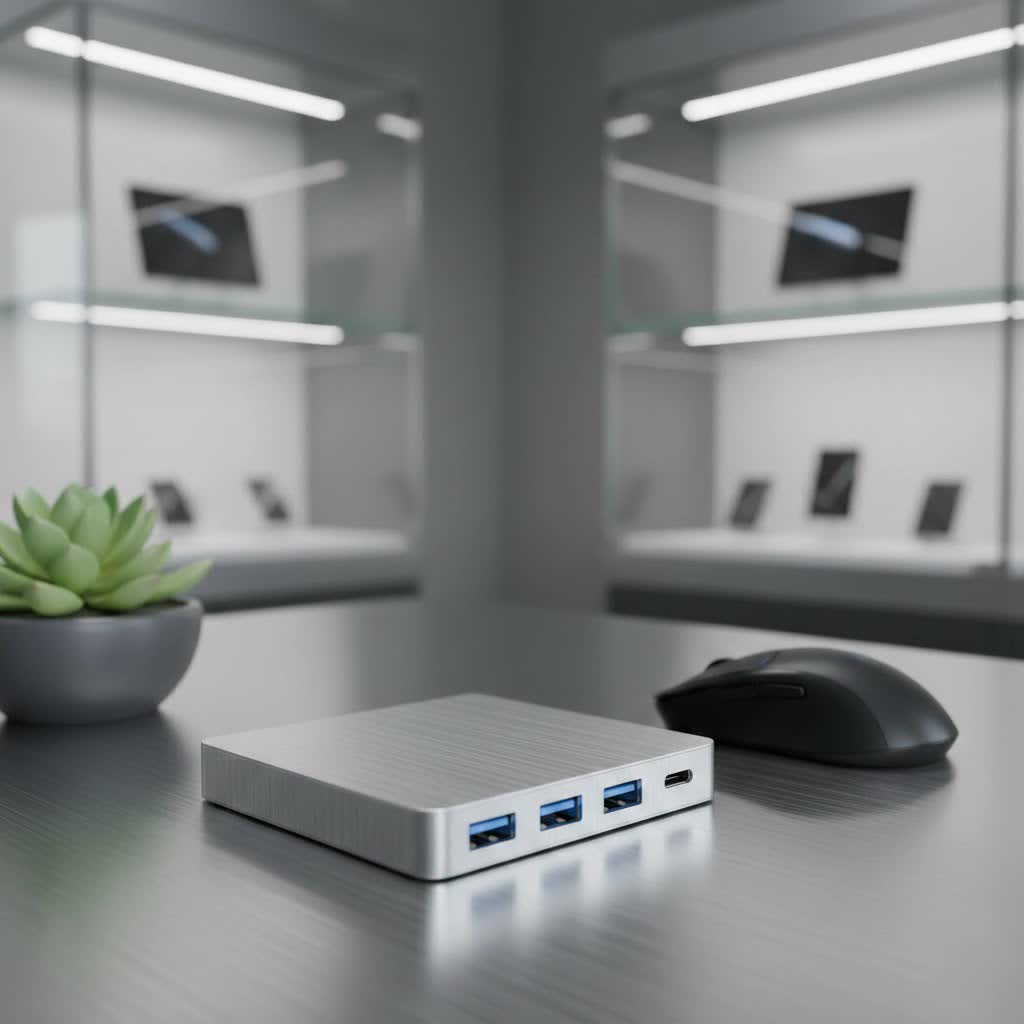
A USB hub is more than just a simple splitter; it’s a vital expansion tool that transforms a single USB port on your computer into multiple, allowing you to connect several peripherals simultaneously. From boosting productivity in a busy home office to decluttering a gaming setup, these compact devices are indispensable for managing our ever-growing collection of gadgets. They act as a central point for all your external devices, from keyboards and mice to external hard drives and printers, eliminating the constant unplugging and replugging that can wear out your computer’s native ports and disrupt your workflow.
Overview of USB Hubs
What is a USB Hub?
|
Our Picks for the Best USB Hub in 2026
As an Amazon Associate I earn from qualifying purchases.
|
||
| Num | Product | Action |
|---|---|---|
| 1 | UGREEN USB 3.0 Hub, 4 Ports USB A Splitter Ultra-Slim USB Expander for Mouse, Keyboard, Flash Drive, U Disk, Printer Compatible with Laptop, Desktop PC, Xbox, PS5, and More |

|
| 2 | Acer USB C Hub, 7 in 1 Multi-Port Adapter for Laptop, 4K, HDMI Splitter with 2 USB A 3.1 & Type-C to HDMI Data Port, PD 100W Charging, SD Card Reader for Computer, Desktop, Space Grey |
|
| 3 | ONFINIO USB Hub 3.0, 7-Port USB Hub Splitter with Individual On/Off Switches and Lights, 3.2ft/1m Long Cable Compatible with MacBook, Laptop, Surface Pro, PS4, PC, Flash Drive, Mobile HDD |
|
| 4 | Anker USB Hub 4 Ports, Multiple USB 3.0 Hub, USB Splitter for Laptop, Extender for A Port Laptop, PC, Desktop and More [Charging Not Supported](2ft USB-A) |
|
| 5 | Anker 555 USB-C Hub (8-in-1), with 85W Power Delivery, 4K 60Hz HDMI Port, 10Gbps USB C and 2 A Data Ports, Ethernet microSD SD Card Reader, for MacBook Pro More |
|
| 6 | USB-C Hub 7-in-1 Multiport Adapter – 4K@30Hz HDMI, USB 3.0, USB 2.0, 100W PD Charging, SD/TF Card Reader – USB-C Docking Station for MacBook Pro/Air, Chromebook, Dell, HP & Type-C Devices |
|
| 7 | Powered USB Hub, Wenter 11-Port USB Splitter Hub (10 Faster Data Transfer Ports+ 1 Smart Charging Port) with Individual LED On/Off Switches, USB Hub 3.0 Powered with Power Adapter for Mac, PC |
|
| 8 | PWAY USB 2.0 Switch, USB Switcher Selector 2 Computers Sharing 4 USB2.0 Ports, KVM Switch Devices Peripheral Hub for Keyboard Mouse Printer Scanner Compatible with Windows Mac Linux |
|
| 9 | 13 in 1 USB C Docking Station - Dual Monitor, Triple Display, 8 USB C/A Ports, Ethernet, Audio - LIONWEI USB C Hub for MacBook,Dell,HP,Lenovo,Surface |
|
| 10 | Acer USB Hub 4 Ports, Multiple USB 3.0 Hub, USBA Splitter for Laptop with Type C Power Port, Extender for A Port Laptop, PC, Desktop and More (2ft) |
|
At its core, a USB hub is a device that expands a single upstream USB port from your host computer into multiple downstream ports. Think of it as a power strip for your USB devices. When plugged into your computer, an internal chipset within the hub intelligently manages the flow of both data and power, ensuring each connected peripheral communicates effectively with your system. This silent orchestrator keeps your setup running smoothly, enabling everything from simple input devices to high-speed storage drives to coexist without conflict.
Why You Need a USB Hub
The necessity for a USB hub arises from several common scenarios in our modern digital landscape. First and foremost, contemporary laptops and even some desktops often come with a limited number of USB ports, especially as devices become thinner and lighter. A hub immediately solves this port scarcity, providing the extra connections you need. Beyond mere expansion, USB hubs enhance convenience by allowing you to keep all your essential peripherals — like external hard drives, webcams, printers, and gaming accessories — plugged in simultaneously, saving you from the hassle of constant cable swapping. This not only protects your computer’s ports from wear and tear but also significantly reduces cable clutter, contributing to a more organized and efficient workspace. Whether you’re a professional juggling multiple devices, a gamer requiring dedicated ports for peripherals, or a traveler needing to connect to a lightweight laptop, a USB hub is a practical and cost-effective solution for expanding your connectivity.
Types of USB Hubs
Understanding the different types of USB hubs is crucial for making an informed decision. They primarily differ based on their connection standards, power source, and the specific functionalities they offer.
USB Hubs by Connection Standard
The evolution of USB technology has brought various standards, each offering different speed capabilities:
- USB 2.0: These hubs provide data transfer speeds of up to 480 Mbps. While sufficient for low-bandwidth devices like mice, keyboards, and printers, they are slow for large file transfers. USB 2.0 hubs are often found in older systems or budget-friendly options.
- USB 3.0 (USB 3.1 Gen 1 / USB 3.2 Gen 1): Offering speeds up to 5 Gbps, these hubs are 10 times faster than USB 2.0 and are ideal for high-speed data transfer and modern devices such as external hard drives and flash drives. They are backward compatible with USB 2.0.
- USB 3.1 Gen 2 (USB 3.2 Gen 2): Stepping up to 10 Gbps, these hubs are suitable for very fast data transfers, perfect for NVMe SSD enclosures and demanding applications. Few USB hubs offer these speeds, especially with Type-A ports.
- USB 3.2 Gen 2×2: This is the fastest USB 3.x standard, providing up to 20 Gbps. These hubs are designed for extreme data-intensive workflows, though they are less common in general consumer hubs.
- USB 4 / Thunderbolt: While often integrated into high-end USB-C hubs or docking stations, Thunderbolt offers impressive speeds up to 40 Gbps, also supporting high-resolution video output and power delivery. These are typically found in more premium, specialized hubs designed for power users or specific Apple devices.
USB Hubs by Power Source
The power source dictates how much power a hub can supply to its connected devices:
- Bus-Powered (Unpowered) USB Hubs: These hubs draw all their power directly from the host computer’s USB port. They are compact, lightweight, and highly portable, making them excellent for travel. However, because they share the computer’s limited power, they are best suited for low-power peripherals like mice, keyboards, and small USB flash drives. Connecting power-hungry devices can lead to performance drops or disconnections.
- Self-Powered (Powered) USB Hubs: Equipped with an external power adapter that plugs into a wall outlet, these hubs supply consistent power to each port independently. This makes them ideal for high-draw devices such as external hard drives, printers, webcams, and charging smartphones or tablets. Powered hubs ensure stable performance, reliable connections, and can support a greater number of devices simultaneously without straining your computer’s power supply.
USB Hubs by Port Count and Functionality
USB hubs come in various configurations to match different needs:
- Basic 4-Port Hubs: These are the most common and suitable for light users who need to connect a few extra peripherals.
- 7-Port Hubs: Offering more connectivity, these are popular for desktop users with several devices. Some even include individual power switches for each port, which can be incredibly convenient for managing connected devices.
- 10+ Port Hubs: Designed for professional or power users with extensive setups, these hubs maximize connectivity for numerous devices.
- Multi-Function Hubs (USB-C Hubs/Adapters): Modern USB-C hubs often go beyond just USB ports, incorporating a range of additional functionalities. These can include:
- HDMI/DisplayPort: For connecting external monitors, often supporting 4K resolution.
- Ethernet: Providing a stable wired internet connection, essential for areas with unreliable Wi-Fi.
- SD/MicroSD Card Readers: A boon for photographers, videographers, and users who frequently transfer data from cameras or drones.
- USB-C Power Delivery (PD): Allowing you to charge your laptop through the hub while using other connected devices.
Comparison Table: Choosing Your Ideal USB Hub
| Feature | USB 2.0 Hubs | USB 3.0/3.1 Gen 1 Hubs | USB 3.1 Gen 2 / 3.2 Gen 2 Hubs | USB-C Multi-Function Hubs | Powered Hubs | Bus-Powered Hubs |
|---|---|---|---|---|---|---|
| Max Speed | 480 Mbps | 5 Gbps | 10 Gbps | Varies (often 5-10 Gbps) | Varies (depends on USB standard) | Varies (depends on USB standard) |
| Power Source | Bus-powered or self-powered | Bus-powered or self-powered | Bus-powered or self-powered | Bus-powered or self-powered | External adapter | From host computer |
| Typical Ports | USB-A (often 4-7) | USB-A (often 4-10) | USB-A or USB-C (often 4) | USB-A, USB-C, HDMI, Ethernet, Card | USB-A (often 7-10+, with charging) | USB-A, USB-C (often 3-4) |
| Ideal For | Keyboards, mice, printers, older devices | Flash drives, external HDDs, general peripherals | High-speed SSDs, large file transfers | Modern laptops, extensive connectivity | High-power devices, multiple peripherals | Low-power devices, portability, travel |
| Pros | Affordable, widely compatible | Fast, good balance of speed/cost | Very fast data transfer | Versatile, single-cable solution | Stable power, reliable for many devices | Portable, no extra power cord |
| Cons | Slow for data transfer | Can be bottlenecked by host port | Limited availability, higher cost | Can be expensive, heat generation | Less portable, extra power brick | Limited power, prone to slowdowns |
Guide to Selecting the Best USB Hub
Choosing the right USB hub involves assessing your current needs and anticipating future requirements. Consider these factors to ensure you make the best purchase:
1. Determine Your Usage Needs
Before anything else, identify what you need the USB hub for.
- What devices will you connect? (e.g., mouse, keyboard, external hard drive, webcam, printer, smartphone). Low-power devices can often use a bus-powered hub, while high-power devices require a powered hub.
- Is data transfer speed critical? For moving large files quickly (e.g., video editing, gaming backups), you’ll need USB 3.0 or higher. For basic peripherals, USB 2.0 might suffice, but it’s generally best to avoid for new purchases.
- Do you need portability? If you travel frequently or use it with a laptop on the go, a compact, bus-powered hub with a built-in cable is convenient. For a stationary desktop setup, a larger, powered hub might be better.
2. Choose the Right Connection Standard
Your computer’s available ports will guide this choice.
- Host Port: Does your laptop or desktop have USB-A, USB-C, or Thunderbolt ports? Modern devices often feature USB-C, which can support multiple functions (data, video, power) through one port. Your hub’s upstream connector must match.
- Device Compatibility: Ensure the hub’s downstream ports (USB 2.0, 3.0, 3.1, etc.) are compatible with your peripherals. While newer standards are backward compatible, connecting a USB 3.0 device to a USB 2.0 port will limit its speed. Aim for a hub with USB 3.0 (5 Gbps) or higher for optimal performance.
3. Consider the Number and Type of Ports
Estimate how many devices you plan to connect simultaneously.
- Quantity: Hubs typically offer 4, 7, or more ports. It’s wise to choose a hub with a couple more ports than you currently need for future expansion.
- Diversity: Do you need a mix of USB-A and USB-C ports? What about specialized ports like HDMI for an external monitor, an Ethernet port for a stable internet connection, or SD/microSD card readers for media transfer? Multi-function USB-C hubs are excellent for consolidating these needs.
4. Decide on a Powered or Unpowered Hub
This is a critical distinction based on your power requirements.
- Unpowered (Bus-Powered): If you only connect low-power devices like a keyboard, mouse, or small flash drives, an unpowered hub is sufficient and more portable.
- Powered (Self-Powered): For high-power devices such as external hard drives, printers, or multiple charging devices, a powered hub with its own external power supply is essential. This ensures stable performance and prevents power-related issues like device disconnections or slowdowns.
5. Evaluate Brand, Build Quality, and Price
- Reputable Brands: Brands like Anker, Sabrent, Ugreen, Satechi, and TP-Link are well-regarded for their USB hubs.
- Build Quality: Look for durable materials, good port spacing to avoid crowding, and a solid feel. Metal-enclosed hubs often offer better heat dissipation and longevity.
- Price: USB hubs range widely in price based on features and quality. While budget options exist, investing a bit more in a reliable hub from a trusted brand can prevent future headaches.
- Additional Features: Individual power switches for ports (found on some Sabrent hubs), integrated cable management, or even built-in storage (like the Anker PowerExpand with an SSD) can add significant value.
Top Picks USB Hubs (Examples by Category)
While specific models can vary, certain types and brands consistently receive high marks for different use cases. Here are examples of highly-rated USB hubs you might encounter:
- Best Desktop Hub (Powered with Switches): Look for hubs like the Sabrent HB-B7C3 10-port USB 3.0 Hub. It offers ample ports, dedicated charging ports, and individual power switches, which are invaluable for managing multiple peripherals without constant unplugging.
- Best Portable USB-A Hub (Bus-Powered): Options like the Anker 4-Port Ultra Slim USB 3.0 Hub are popular for their compact design, light weight, and sufficient ports for essential travel needs.
- Best Multi-Function USB-C Hub for Laptops: Anker PowerExpand series or Ugreen Revodok models often provide a great mix of USB-A/USB-C ports, HDMI, Ethernet, and card readers, making them a single-cable solution for modern laptops.
- Best High-Speed USB-A Hub (10 Gbps): For users prioritizing speed with external storage, the Inatek HB2025AL 10 Gbps Hub stands out, offering impressive data transfer rates for Type-A devices.
- Best Tiny USB Hub: Unique, direct-plug options like the JoyReken 4-Port Mini USB 3.0 Hub offer ultimate portability, ideal for those who need minimal expansion without extra cables.
Conclusion
A USB hub is far from a mere accessory; it’s an essential extension of your computing environment, transforming a single port into a gateway for unparalleled connectivity. Whether you’re grappling with limited ports, seeking to streamline your workspace, or demanding high-speed data transfer for professional tasks, the right USB hub can significantly enhance your productivity and user experience. From compact, bus-powered companions for the minimalist traveler to robust, self-powered stations for the power user, there’s a hub designed to perfectly match every need. By considering the connection standards, power requirements, port configurations, and overall quality, you can confidently select a USB hub that acts as a reliable, efficient, and long-lasting bridge between your devices and your digital world. What kind of connectivity solution are you looking for to unlock your full potential?
Frequently Asked Questions
Can a USB hub charge my laptop?
Many multi-function USB-C hubs include a USB-C Power Delivery (PD) port. If your laptop supports charging via USB-C, you can plug your laptop’s power adapter into this port on the hub to charge your laptop while using the hub’s other functions. However, not all hubs support the high wattage required for laptops.
Do USB hubs slow down data transfer speeds?
A properly designed USB hub generally won’t slow down data transfer speeds compared to plugging a single device directly into your computer. However, all devices connected to the hub share the bandwidth of the single upstream port. If multiple high-bandwidth devices (like external SSDs) are active simultaneously, you might experience a slight reduction in speed for individual transfers.
What is the difference between a USB hub and a docking station?
While both expand connectivity, a USB hub is typically simpler, primarily adding more USB ports and sometimes a few extra connections like HDMI or card readers. A docking station, often larger and more expensive, offers a wider array of ports (multiple display outputs, Ethernet, more powerful charging, audio jacks) and more robust power delivery, usually designed for a permanent workstation setup.
Can I use a USB hub with a game console?
Yes, most modern game consoles (like PS5, Xbox Series X) support USB hubs for connecting peripherals such as controllers, external hard drives, or USB headsets. Ensure the hub is compatible with your console’s USB version (e.g., USB 3.0 for higher speed requirements) and consider a powered hub for multiple power-hungry gaming accessories.
How many devices can a USB hub support?
The USB standard technically allows for up to 127 devices connected to a single host controller. However, in practical terms, the number of usable devices connected to a single USB hub is limited by the hub’s available power, shared bandwidth, and the specific capabilities of your computer’s USB ports. Most hubs offer 4 to 10 ports, which is sufficient for most users.
